
Creating an Inclusive Classroom
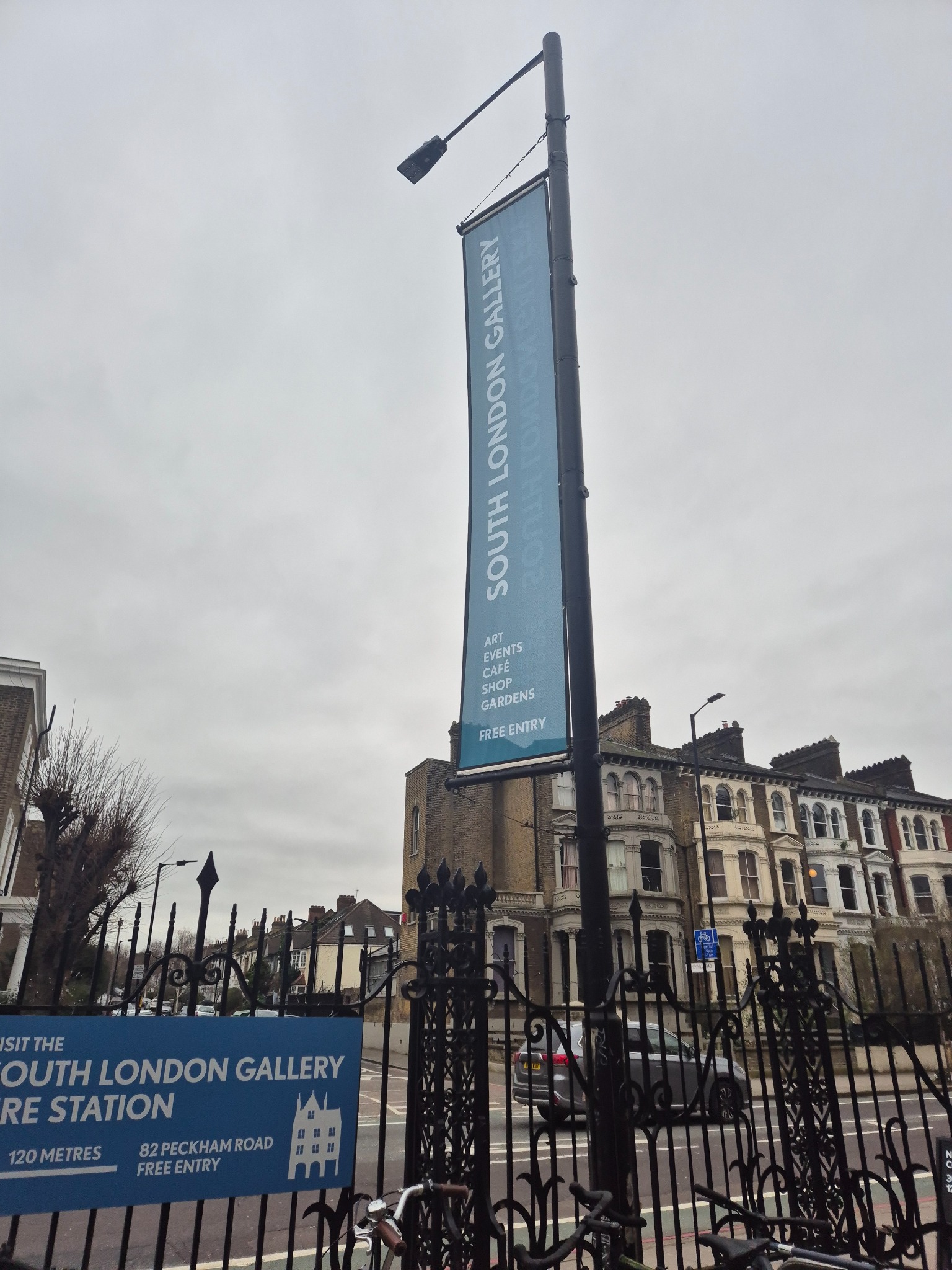
*South London Gallery, Peckham - site of the Teacher CPDL Study Day 2026*
Over half term, I attended the Teacher CPDL Study Day 2026: Creating an Inclusive Classroom at the South London Gallery, and it was one of those professional development experiences that felt both grounding and energising.
Set within a space already known for championing art, community and learning, the day brought together teachers and educators to reflect on inclusion, representation and the realities of classroom practice. It was a reminder that inclusive teaching is not simply about good intentions - it is about awareness, language, reflection and action.
As both a teacher and the founder of Bridge & Bloom, I left feeling that this kind of learning is essential - not only for schools, but for anyone working with young people, creativity and community.
A space for reflection, honesty and growth
What made the day so impactful was that it did not approach inclusion as a vague or fashionable term. Instead, it encouraged us to think deeply about what it really means to create environments where students feel recognised, respected and able to participate fully.
There was a strong sense throughout the day that inclusion must be active. It requires us, as educators, to reflect on our own practice, question assumptions and think carefully about the systems and structures that shape students’ experiences of school.
That felt particularly important. In education, we often speak about equality, but true inclusion asks more of us. It asks us to notice difference, understand barriers and respond in ways that are thoughtful, equitable and human.
The importance of representation and courageous conversations
One of the most powerful parts of the day was hearing from Joy Mbakwe, whose session encouraged us to think honestly about inequity, exclusion and the ways these issues continue to affect school life.
Her talk was particularly empowering for the teaching community, and especially meaningful in relation to the Black teaching community. There was something incredibly affirming about being in a space where these conversations were not softened or avoided, but addressed directly and with purpose.
For Black educators in particular, there can often be an unspoken weight carried in school spaces - the labour of navigating representation, advocating for students, and challenging inequality while continuing to lead, teach and support others. To hear these realities reflected and acknowledged so clearly felt important.
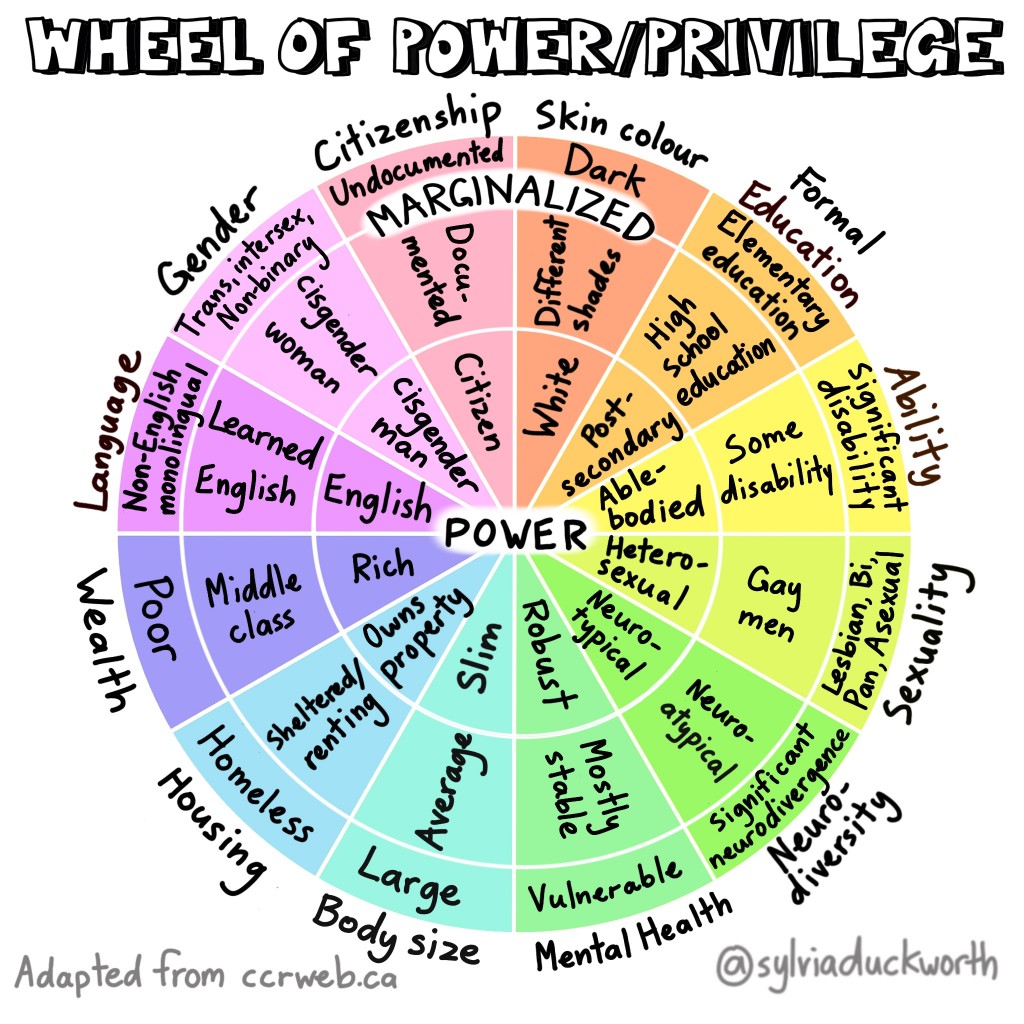 *Wheel of Power and Privilege shared during Joy Mbakwe's session*
A key part of Joy’s session was her introduction of the Wheel of Power and Privilege, which she shared with the group as a way of helping us think more deeply about identity, power and marginalisation. It was such a useful and thought-provoking tool for teachers because it made visible the many overlapping factors that shape how people experience the world - including race, gender, skin colour, language, education, class, housing, disability, sexuality, neurodiversity, mental health and citizenship.
For teachers, this is incredibly important in understanding our students. It reminds us that young people do not all enter the classroom from the same starting point, and that confidence, behaviour, participation and sense of belonging can all be influenced by wider lived experiences. The wheel does not offer simple answers, but it gives educators a framework for asking better questions, reflecting more honestly and becoming more aware of the structures that privilege some while marginalising others.
It was a reminder that inclusive practice is not an “extra” in teaching. It is central to what good teaching should be.
Joy Mbakwe website: www.msjoymbakwe.com
Key takeaway for teachers: tools like the Wheel of Power and Privilege help us better understand the complexity of students’ lived experiences, and remind us that inclusion begins with awareness as much as action.
Learning through photography with Dianne Minnicucci
Another highlight of the day was the practical session with Dianne Minnicucci, through which we explored photography in a way that felt creative, accessible and reflective.
This was not simply a technical workshop. It encouraged us to think about observation, perspective and the ways image-making can be used as a tool for expression and connection. Learning new photography skills in that setting felt especially valuable because it linked directly back to teaching practice.
As an educator and creative practitioner, I always find it powerful when teachers are invited to step back into the role of learner and maker. It refreshes the way we think, helps us reconnect with process, and reminds us of the vulnerability and possibility involved in creating.
That same spirit sits at the heart of Bridge & Bloom - the belief that creative experiences can open up dialogue, confidence and deeper understanding.
Dianne Minnicucci website: www.dianneminnicucci.com
Why spaces like this matter
What I appreciated most about the South London Gallery is that this study day reflected a wider commitment to learning, access and community engagement. It showed how galleries and cultural spaces can play a meaningful role in teacher development, offering opportunities not just to look at art, but to think critically, build confidence and develop practice.
For teachers, creatives and community educators, this is the kind of opportunity worth looking out for in the future.
- More information about the study day: South London Gallery event page
- Past and current exhibitions and events: South London Gallery archive and events page
Final reflections
Overall, I came away from the study day feeling both challenged and inspired.
As a teacher, it reinforced the importance of reflective, inclusive and anti-racist practice. As someone building Bridge & Bloom, it also reminded me how necessary it is to create spaces where young people, educators and creatives can come together in ways that are open, thoughtful and empowering.
Professional development like this does more than improve teaching. It reconnects us with the purpose of the work.
And for that reason alone, it is something more teachers should seek out.