Re-discovering my Identity in Everyday Moments
A Year of Self-Rediscovery
Last year became a quiet but powerful year of self-rediscovery for me.
Without any clear plan or intention, I continued taking photographs as I moved through my everyday life — on my commute, while travelling, in galleries, cafés, streets, interiors and public spaces. I wasn’t thinking about technical perfection or outcomes. I was simply noticing.
Over time, a collection of photographs began to build up in my camera roll. At first, they felt disconnected — just moments captured as part of daily routines. But when I looked back, I realised they were telling a story. Not a dramatic one, but an honest one. A visual record of my everyday experiences, interests, environments and encounters with creativity in unexpected places. For a long time, those images just sat there.
It wasn’t until I visited a pop-up and attended an event titled Black Heritage in Design: Past, Present and Future that something clicked. Being in those spaces, listening to conversations about representation, access, visibility and legacy, I became aware of a clear gap — not just in what was being showcased, but in how everyday creativity is valued, documented and shared.
I realised that my photographs, reflections and lived experiences were not separate from my creative practice — they were the practice.
That moment helped me understand how I could contribute. Bridge & Bloom was born from this realisation: with all the things I plan on offering as seen on the site, I am also creating this blog to document, reflect, connect and celebrate creativity as it exists in real life — not only in galleries, but in streets, interiors, objects, performances and personal journeys.
This platform will include my own work and blogs, allowing me to showcase my photography, writing and observations, and to speak honestly about creativity, culture, education and everyday inspiration. It is a place where I can explore everything — because my life is rich, layered and full of stories worth sharing.
And this is just the beginning.
What follows is a curated sequence of images and reflections that show how learning to see differently ultimately led me to create Bridge & Bloom.
Light in the Night Sky
Light in the Night Sky
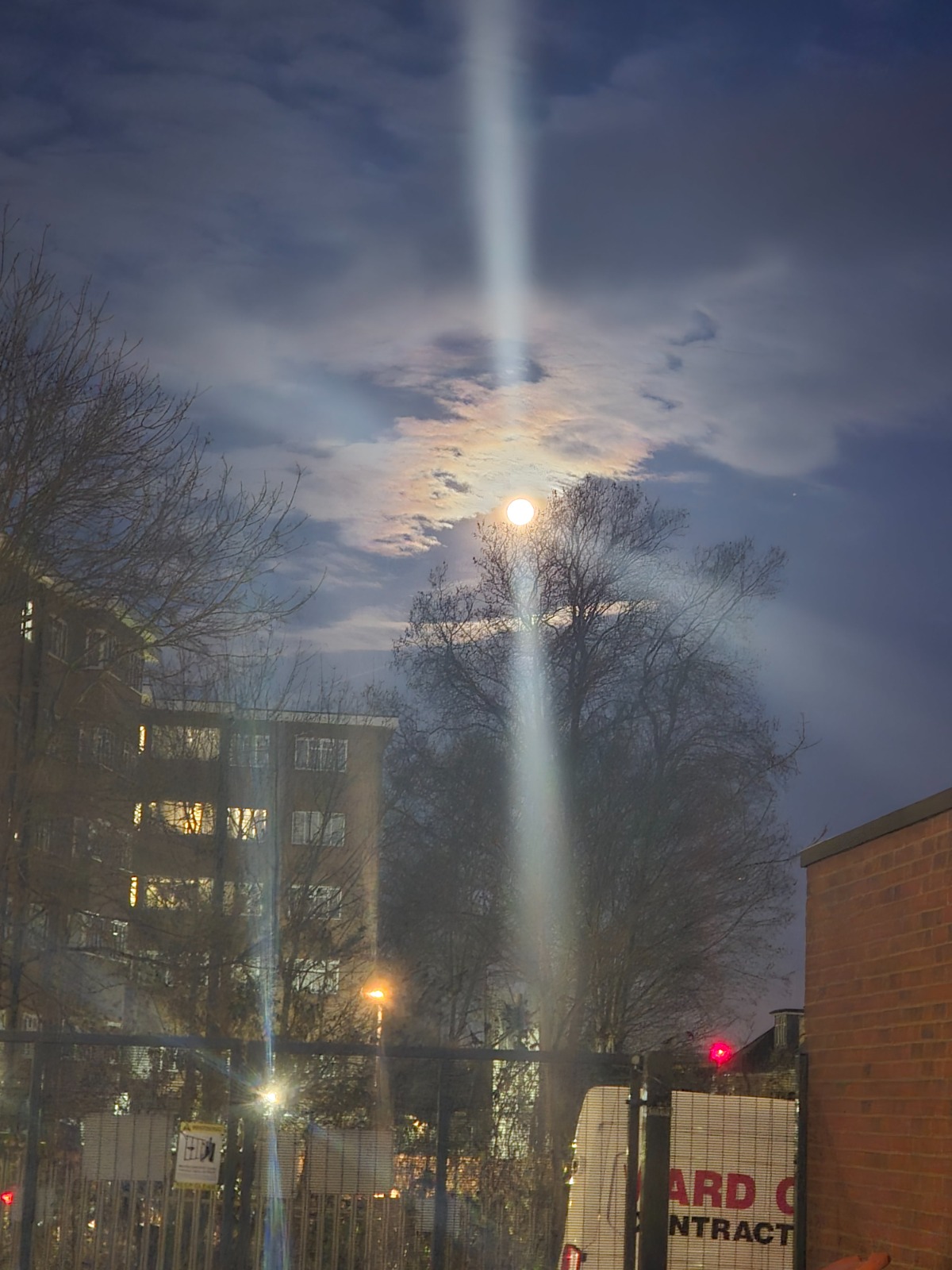
At the beginning of 2025, my mornings started early. I arrive at work before sunlight and leave after sunset living my winters in darkness. This photograph shows a beam of light cutting through a dark morning sky, reminding me that there is always light in the darkness. The light creates a strong vertical line that draws the viewer’s eye upwards and gives the sense of finally seeing. The contrast between darkness and brightness creates a dramatic and slightly mysterious mood. This image explores how light can transform an ordinary urban scene and show beauty.
Sunset Over the City
Sunset Over the City
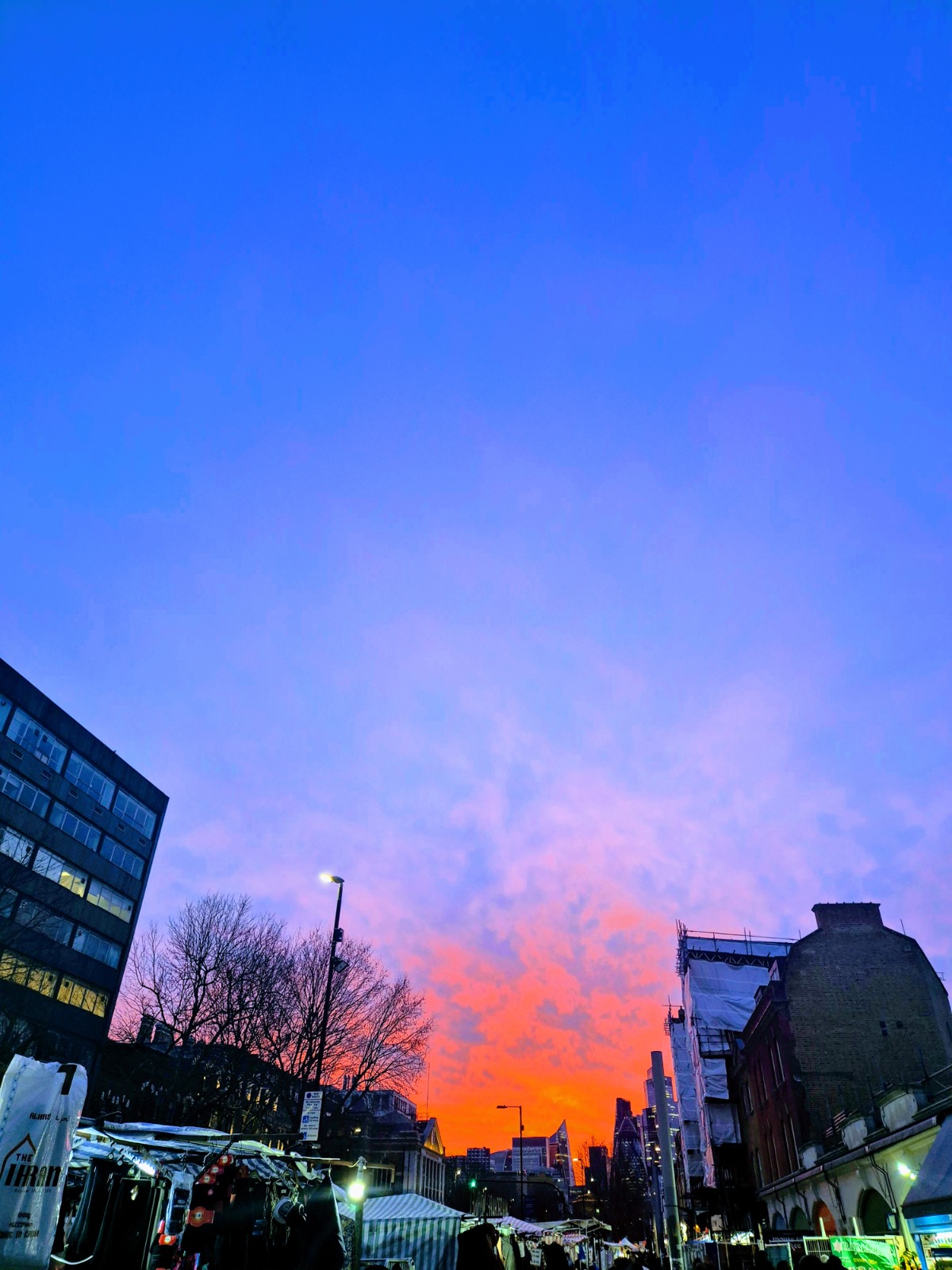
January was a hard month for the family, we had a sick family member that also showed us how strong of a community we have. While visiting the hospital I took this image which shows warm orange and pink colours filling the sky as the sun sets behind city buildings. The silhouettes of structures and people create contrast against the bright background. The photograph shows how colour and time of day can change the atmosphere of a place. During an emotional time, being able to stop and pause in moments of chaos is what makes this photograph beautiful.
Casa Gracia
Casa Gracia
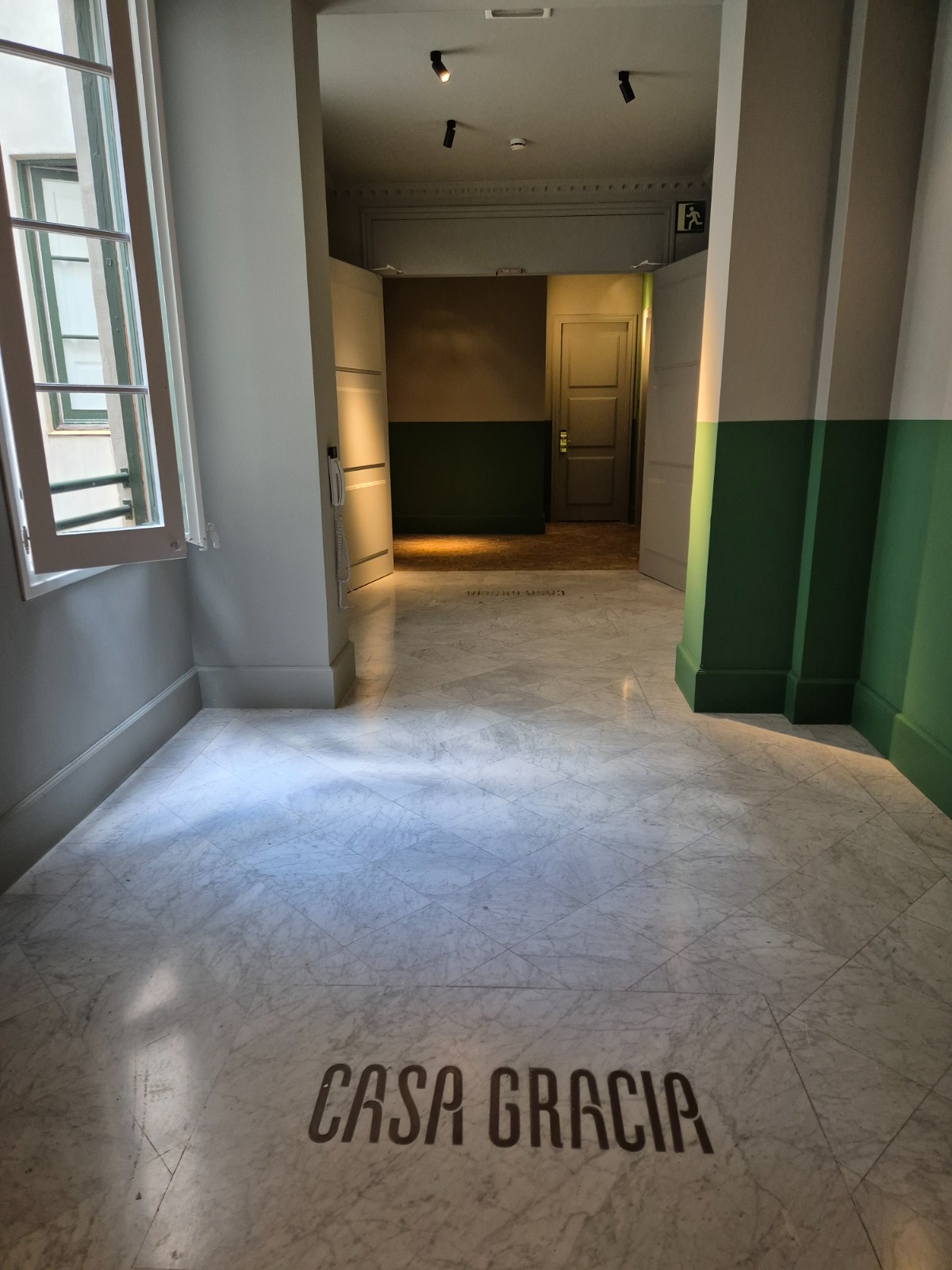
This photograph was taken at Casa Gracia Hotel in Barcelona, while on a school residential trip. At night teachers are on patrol, rushing through corridors ushering students to bed. This picture captures a different time where the interior is quiet with soft natural light entering from the left. The space feels calm and empty, encouraging the viewer to pause. The use of perspective leads the eye through the doorway, suggesting movement and transition where there is none. This was one of the times teachers got to pause and reflect.
Foggy Morning Street
Foggy Morning Street
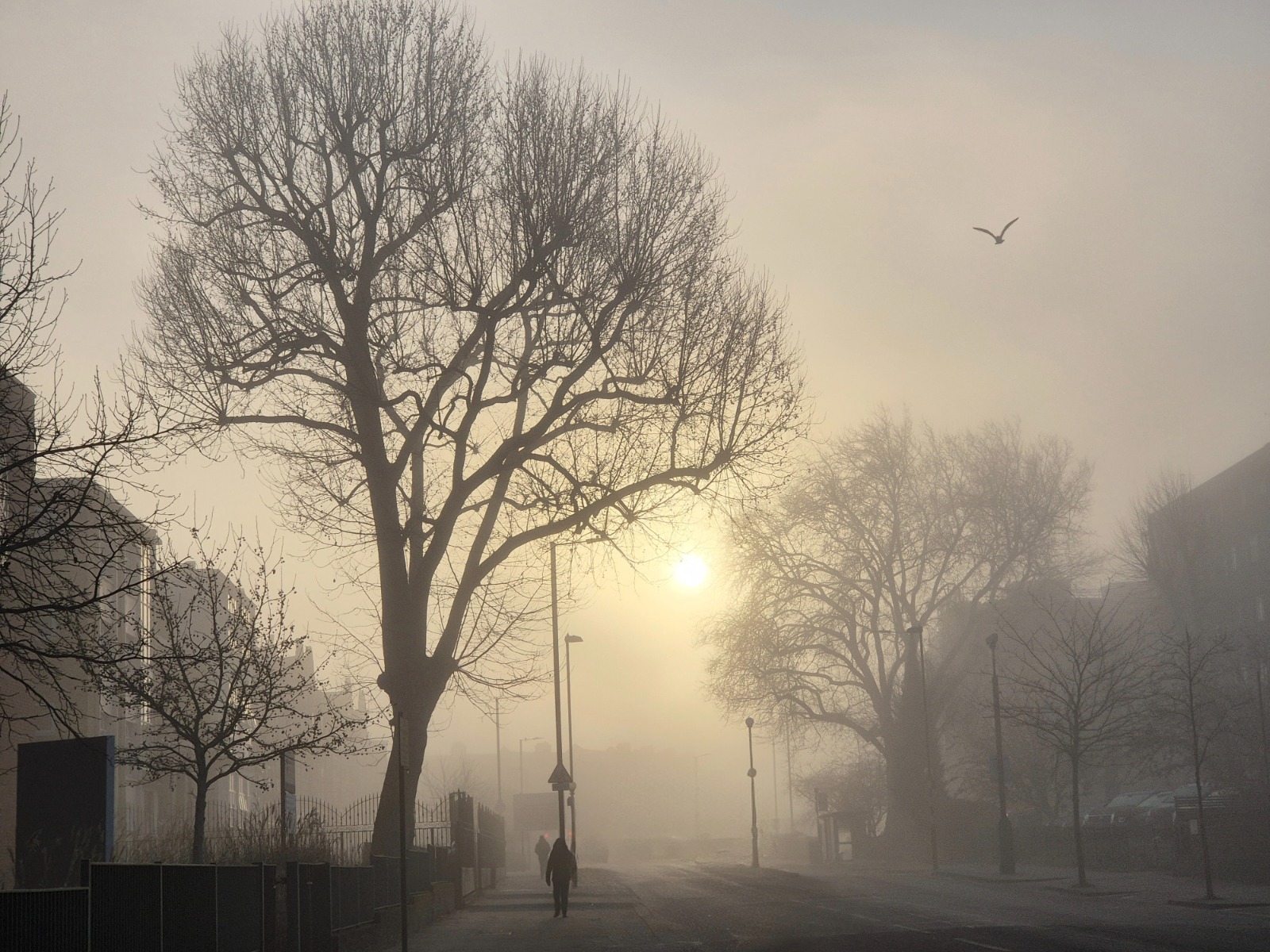
This photograph was taken on a cold morning before work, capturing a fog-filled street just as the sun begins to rise. The mist blurs the buildings and trees, leaving only soft outlines and silhouettes. A single figure walking through the scene adds a sense of stillness and scale. The image highlights how fog and low light can simplify a scene and create a quiet, reflective mood.
Dog in a Doorway
Dog in a Doorway
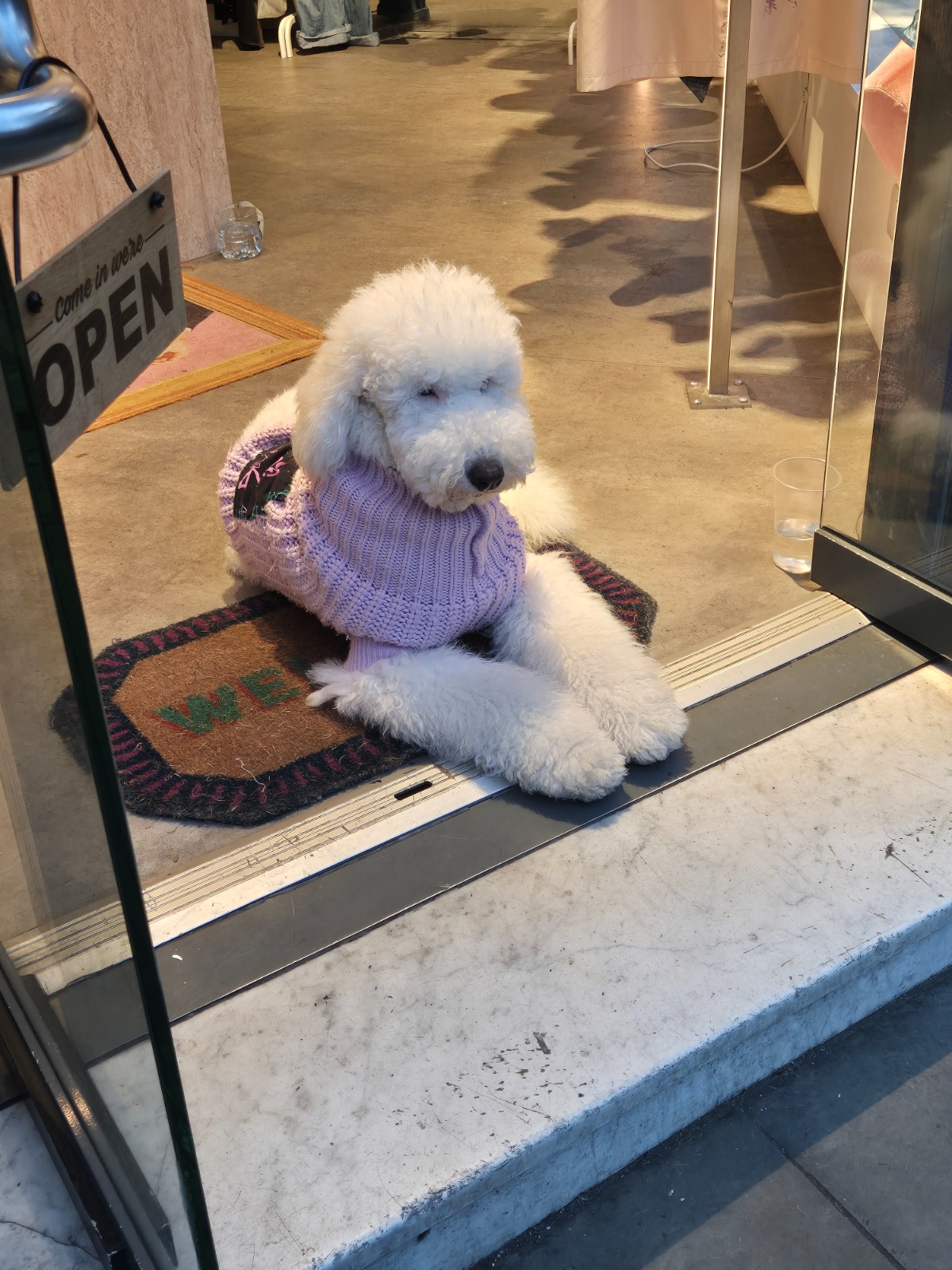
“Dogs are a man's best friend”. While walking through the back roads of London, I came across this cute boutique. This image shows a dog resting at the entrance of the boutique. The doorway acts as a frame, and the dog’s relaxed pose creates a sense of warmth and familiarity. It captures a quiet everyday moment that might otherwise be overlooked and enticed members of the public into the store. Great advertising!!!
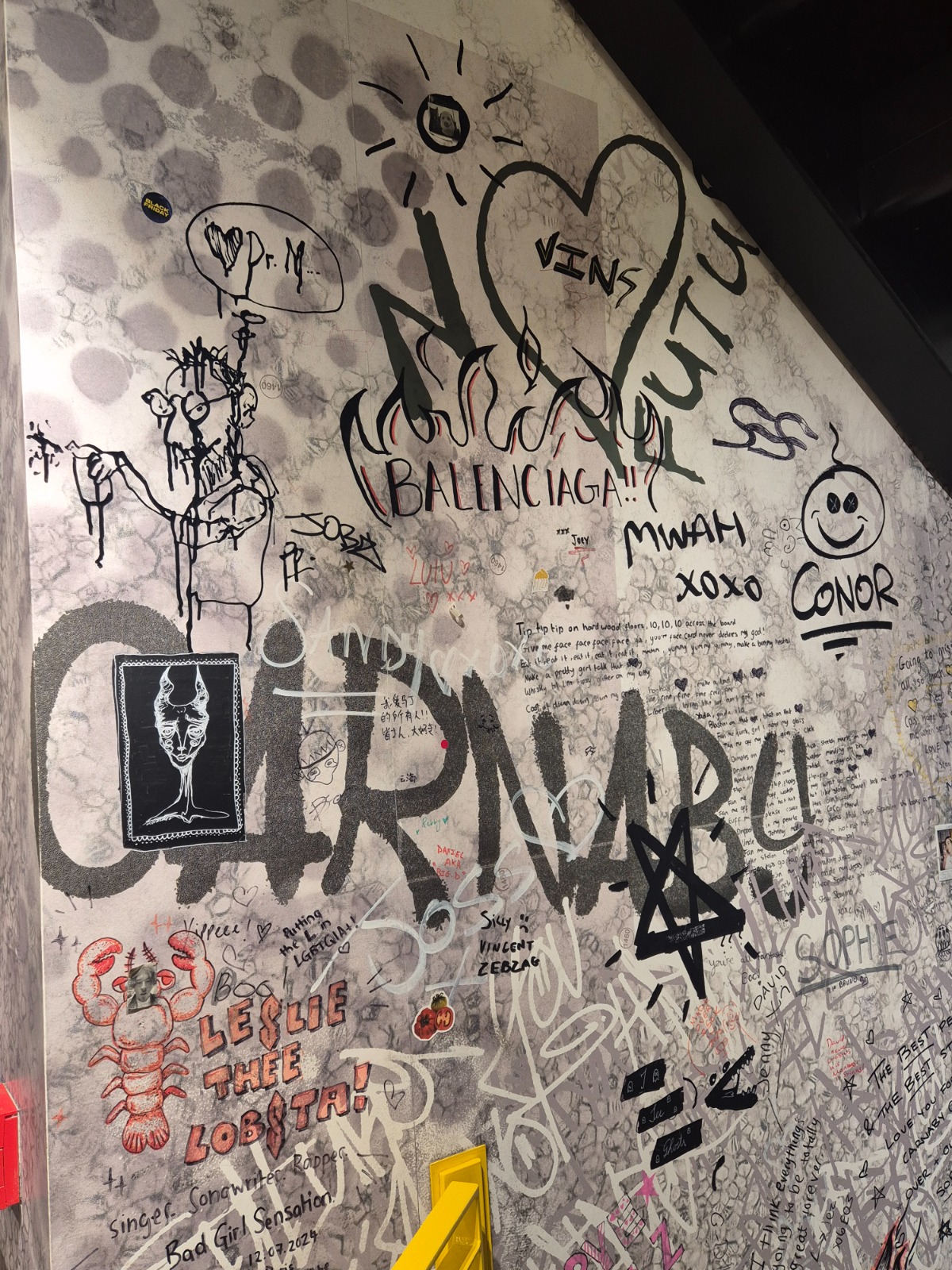
Visual Record
Visual Record
Dr. Martens, Covent Garden. This photograph captures an interior wall filled with drawings, writing and layered marks. Each mark adds to a growing visual record, created by many different people over time. The surface reflects themes of identity, expression and community, while also referencing the strong following and cultural presence of the brand.
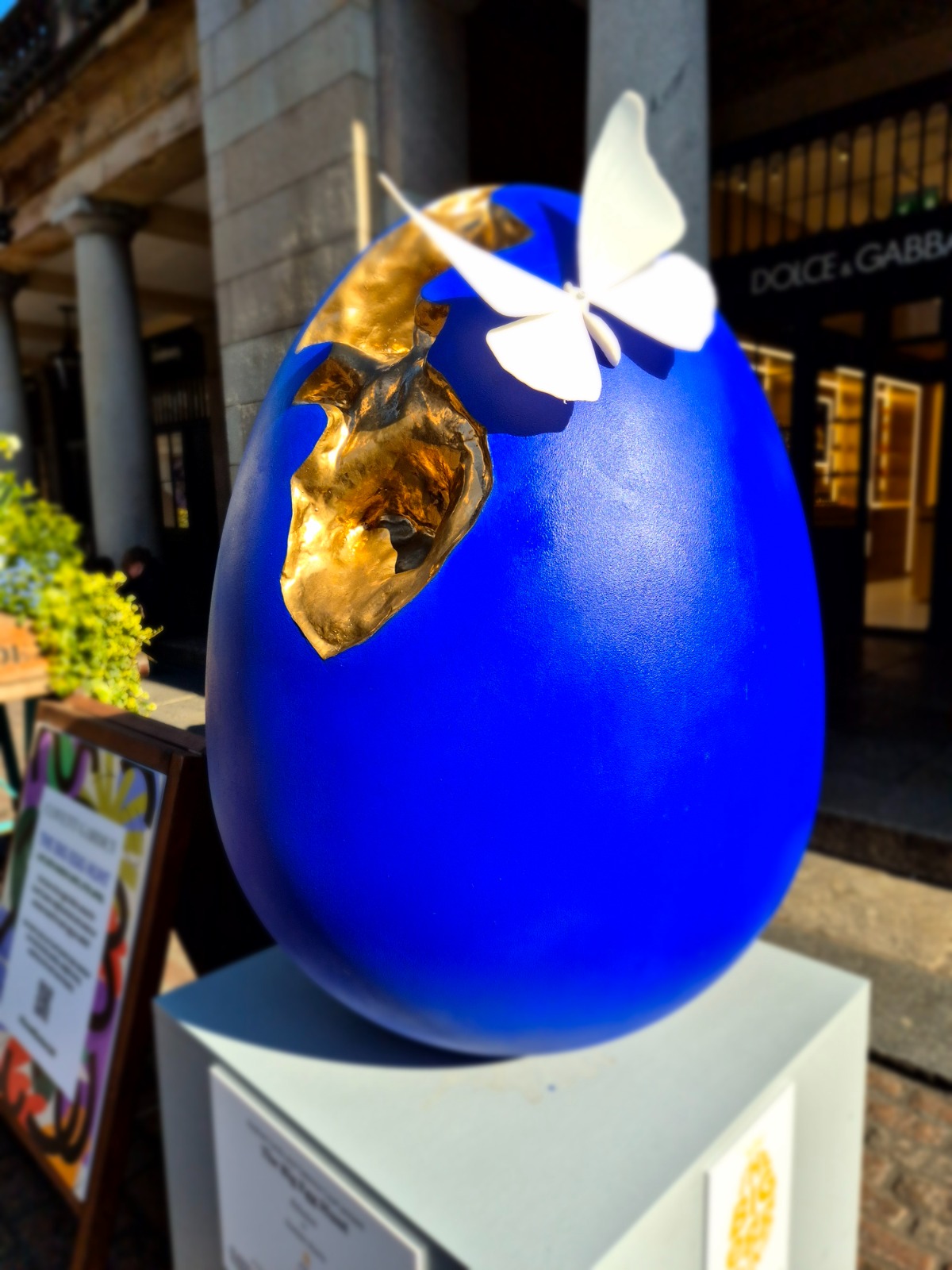
The Big Egg Hunt
The Big Egg Hunt
During April, I took on the challenge of completing The Big Egg Hunt by Elephant Family, which featured 120 sculptural eggs across London. This image shows the first egg I discovered in Covent Garden. The smooth surface and bold use of colour contrast with the surrounding architecture, showing how public art can interrupt everyday spaces and invite people to engage with creativity outside traditional gallery settings.
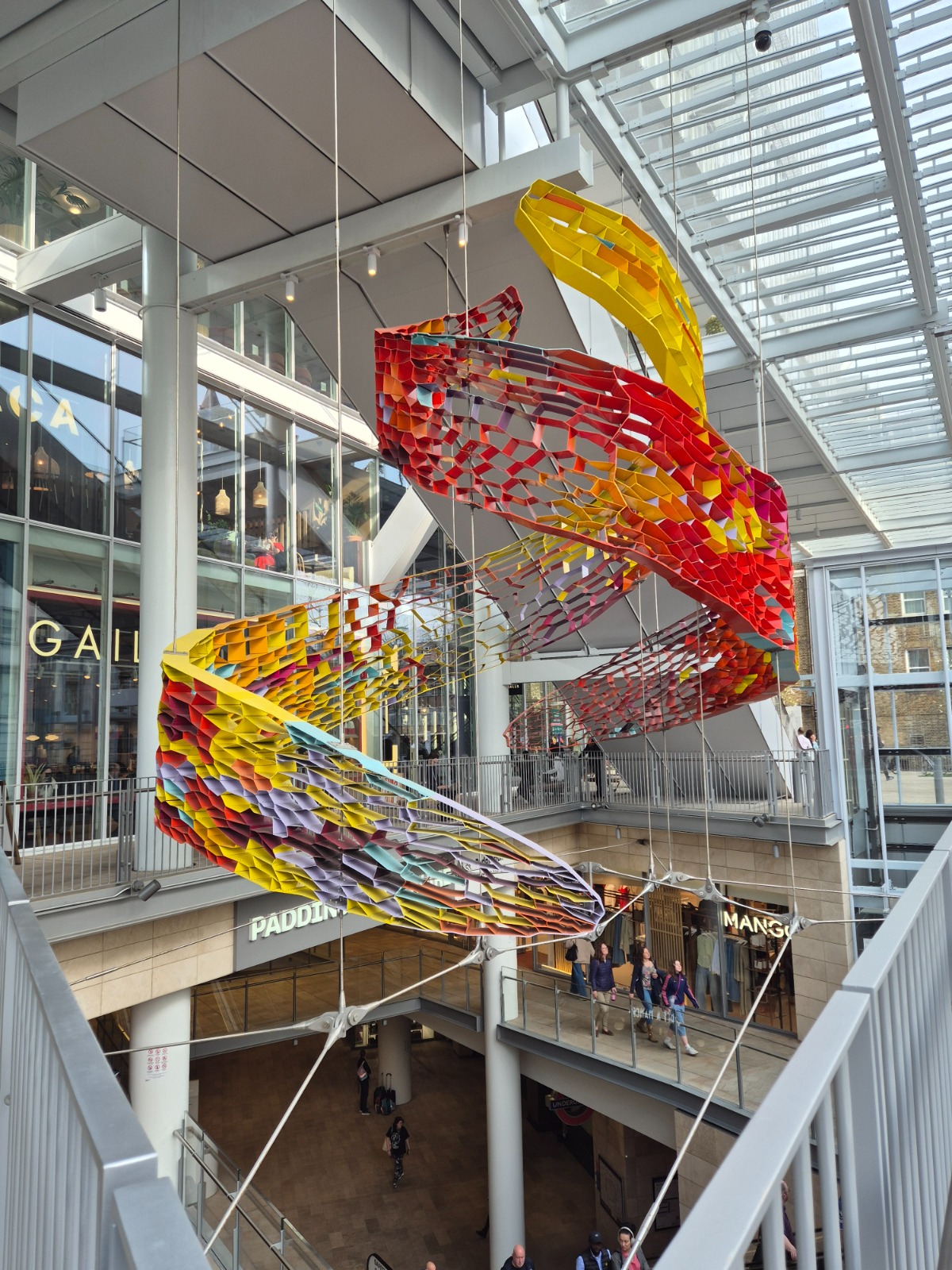
Morag Myerscough
Morag Myerscough
This image captures a large hanging sculpture by Morag Myerscough, installed in Paddington. The layered, colourful shapes appear to flow through the space, creating a feeling of movement despite the sculpture being still. The photograph highlights how bold colour, repetition and scale can energise a space and transform everyday public settings.
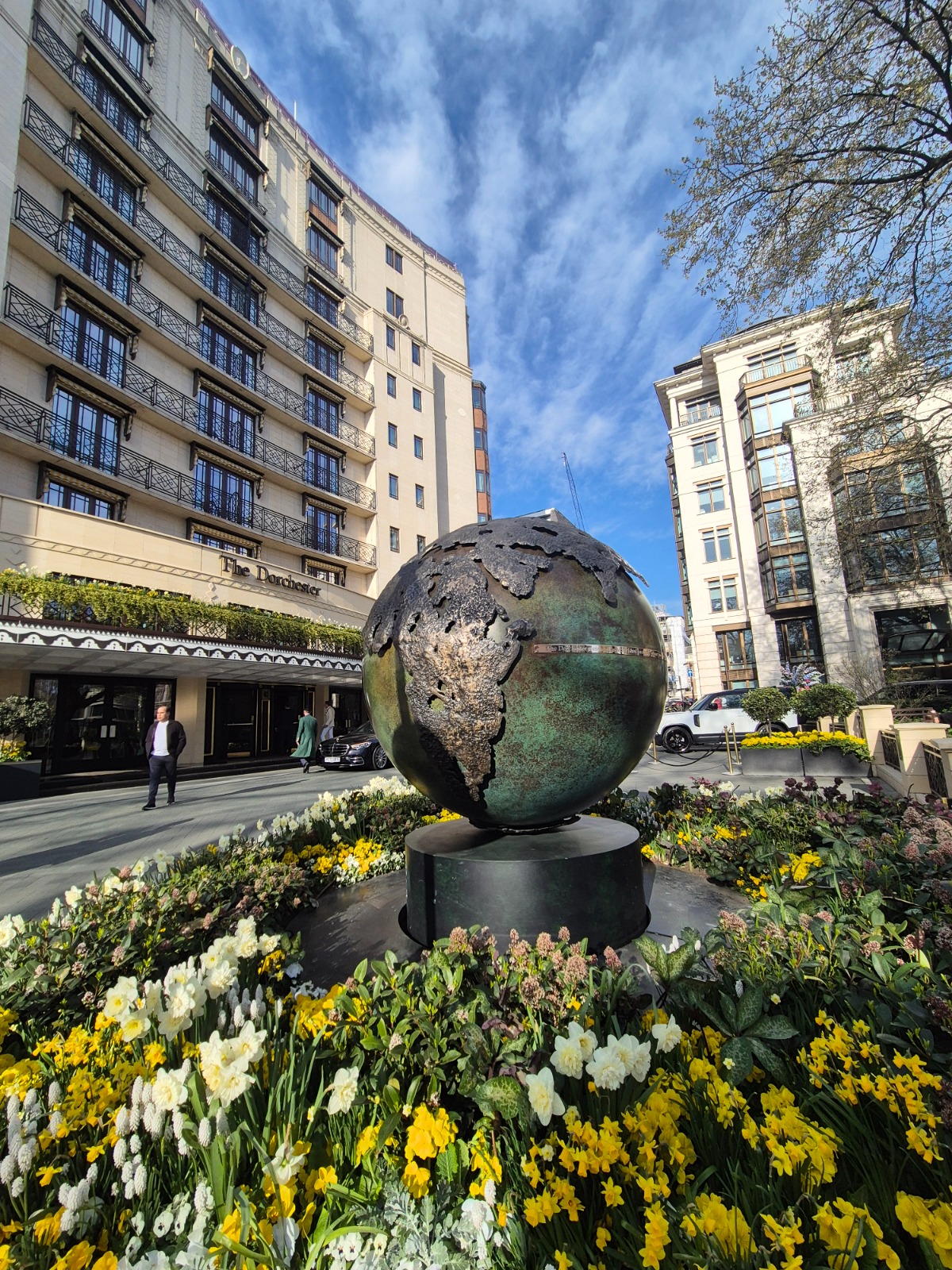
Jill Berelowitz
Jill Berelowitz
This image captures The Dorchester Sphere by Jill Berelowitz, a bronze globe positioned outside The Dorchester. The richly textured surface maps the world in an organic, almost tactile way, standing in contrast to the hotel’s polished façade. Created to celebrate Queen Elizabeth II’s Platinum Jubilee, the sculpture reflects ideas of connection, movement and welcome. Encountering this work in such a familiar London setting encouraged me to think about how global identity and shared histories can quietly exist within everyday spaces, waiting to be noticed.
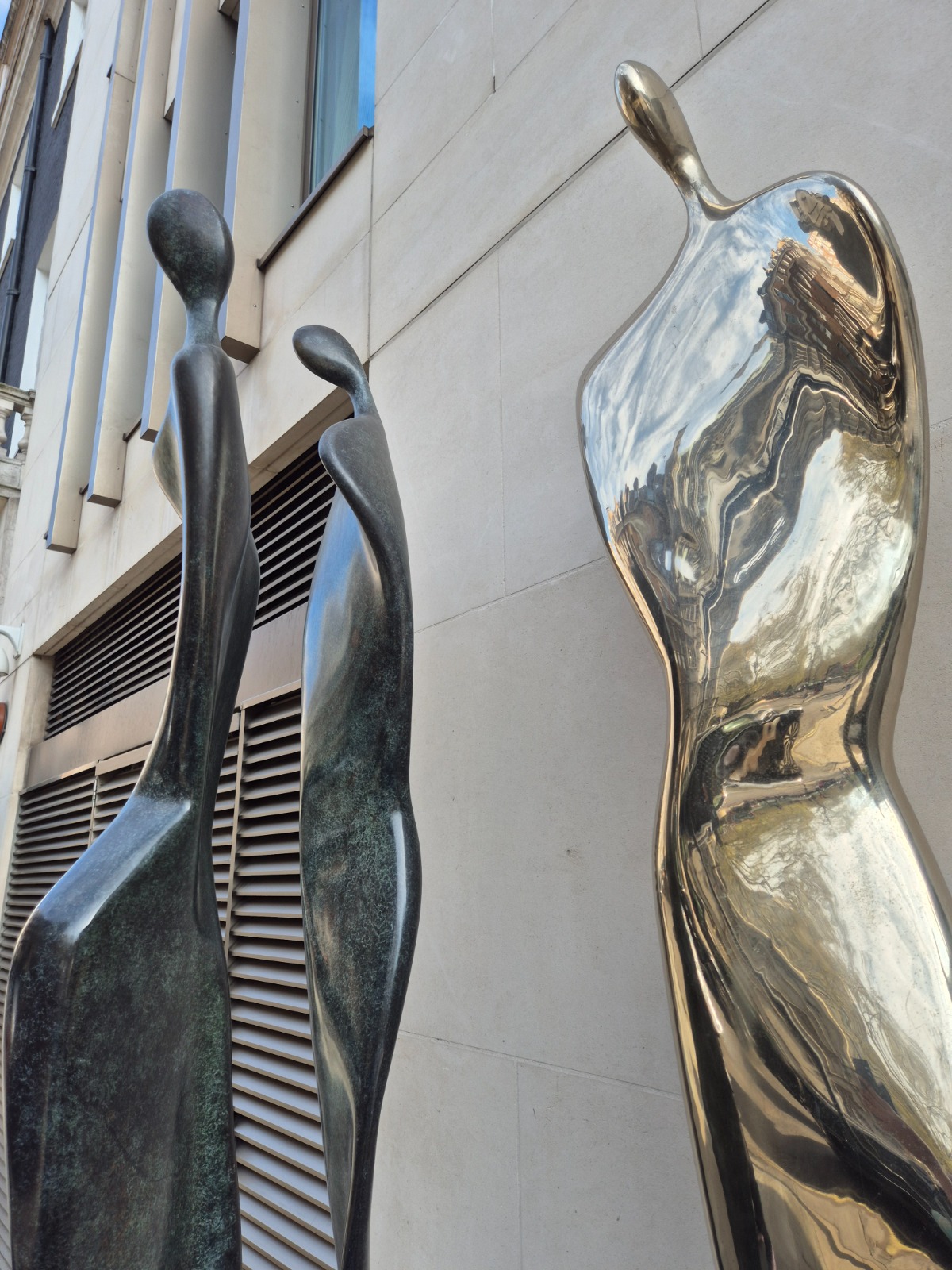
David Bruer-Weil
David Bruer-Weil
This photograph shows a group of abstract, elongated human figures by David Breuer-Weil. The sculptures use simplified forms and contrasting bronze finishes — some dark and matte, others highly polished and reflective — to suggest the human body without detailed features. Their scale and positioning make the figures appear as if they are engaged in a quiet conversation, creating a calm and reflective atmosphere. The mirror-like surfaces reflect the surrounding buildings and passers-by, drawing the viewer into the work and blurring the boundary between sculpture and environment. The piece explores themes of presence, connection and identity, showing how contemporary sculpture can encourage interaction and contemplation within a public space.
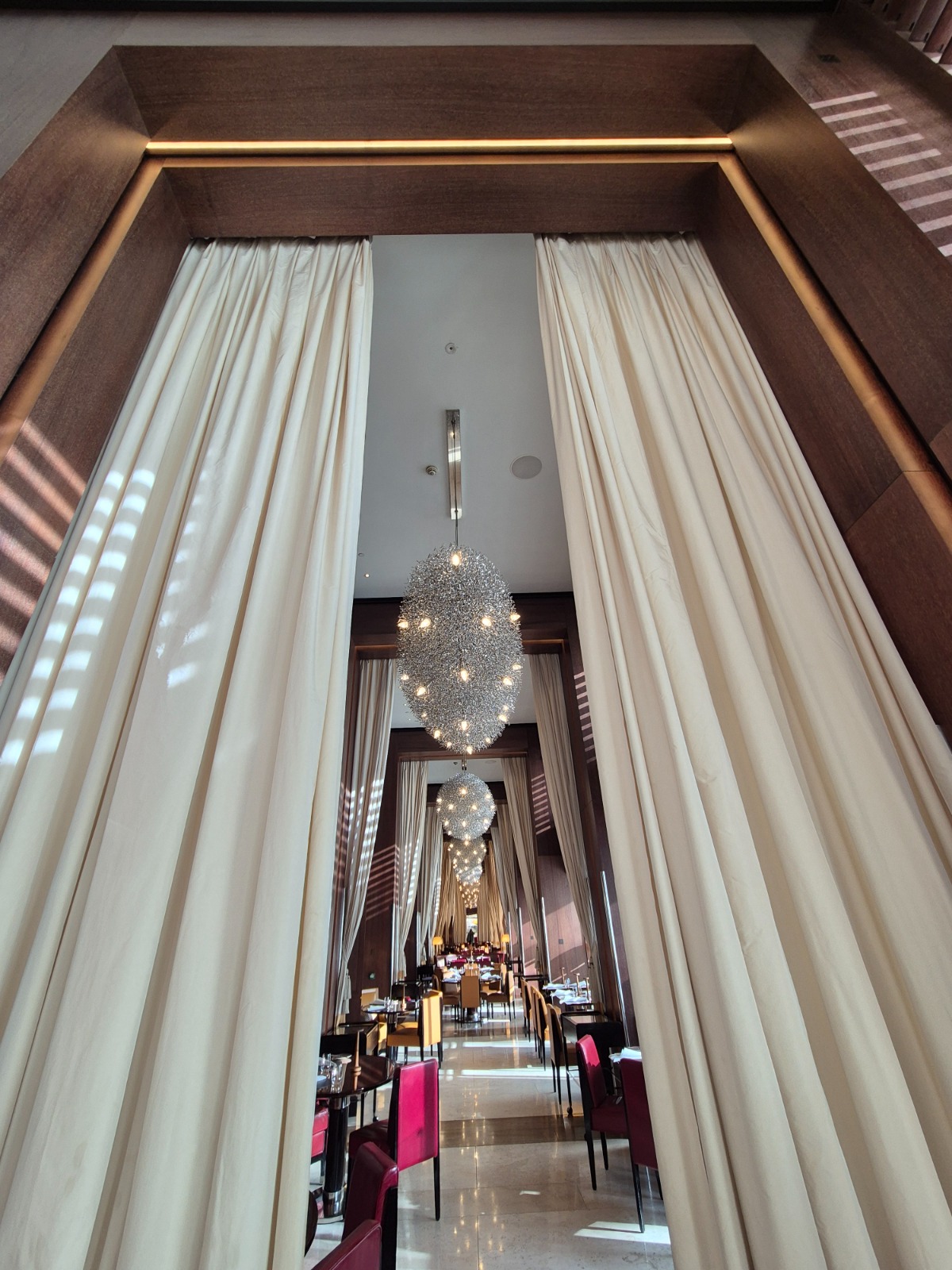
Framing Space
Framing Space
Taken inside 45 Park Lane, this photograph frames a long interior space through tall curtains. The repetition of lights and the symmetrical layout draw the viewer forward, creating a sense of rhythm and flow. The image highlights how interior design and architecture can control movement, atmosphere and the way a space is experienced.
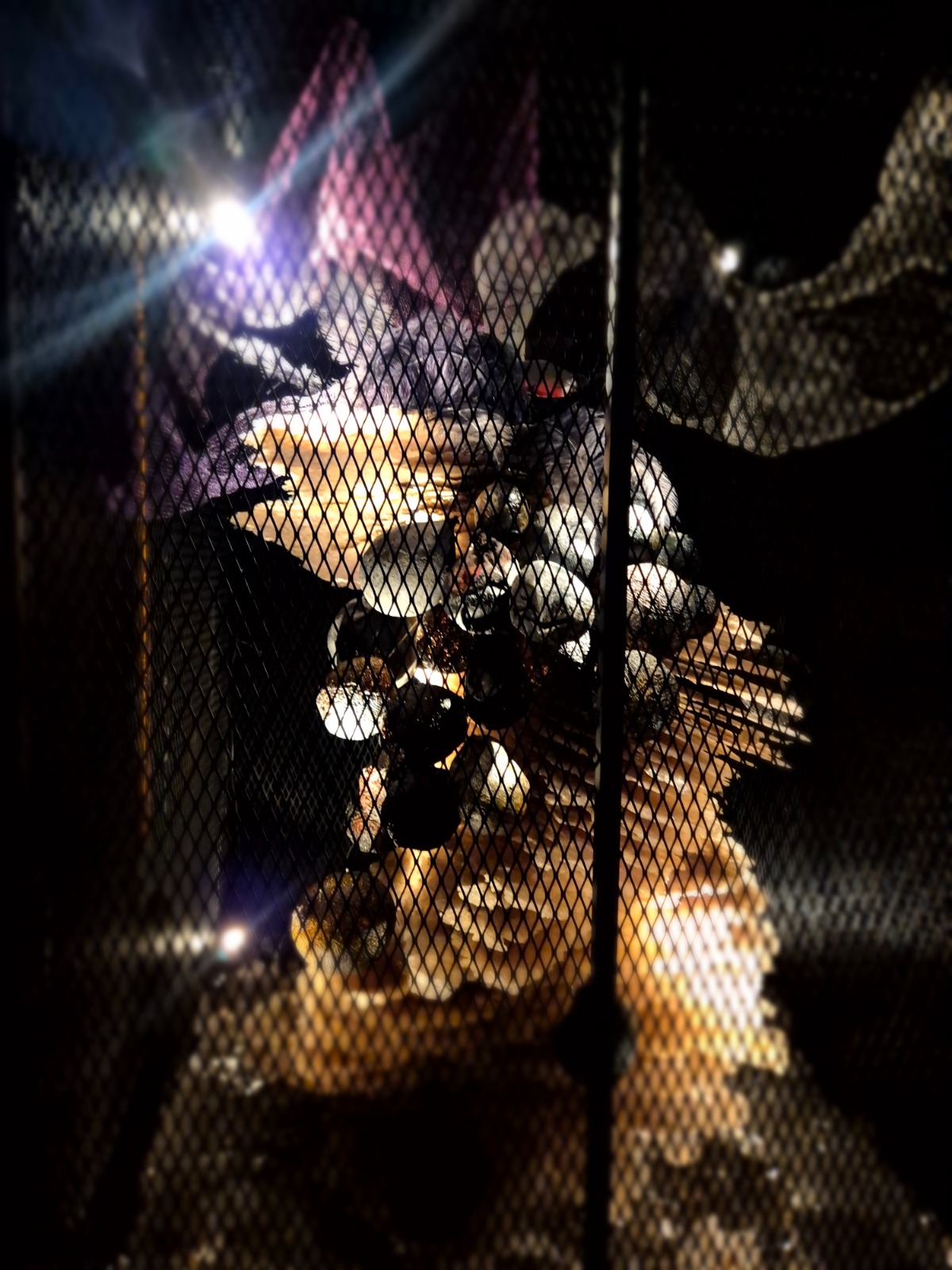
Art Through a Screen
Art Through a Screen
While visiting Tate Modern, I encountered The Bride (1988) by Liliane Lijn. This photograph shows the sculpture viewed through a metal mesh enclosure, which is an intentional part of the work. Lijn uses the mesh to ensure the figure is never seen directly, creating layers of shadow, interference and visual distortion. Inspired by myth, ritual and ideas of transformation, The Bride appears both protected and restricted, suspended between visibility and concealment. The barrier changes how the artwork is experienced, encouraging reflection on vulnerability, energy and the power of distance in shaping emotional response.
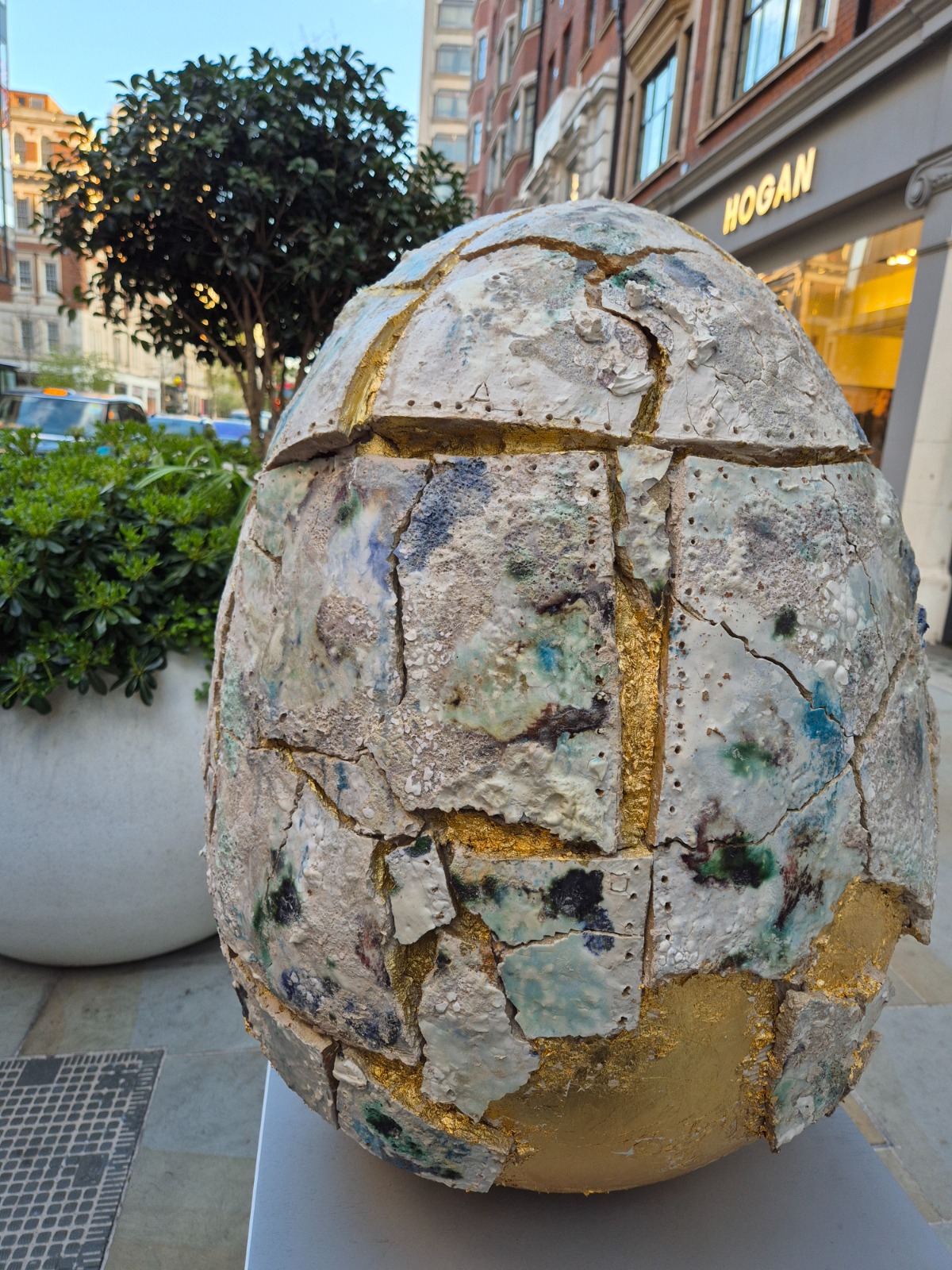
Surface and Repair
Surface and Repair
This photograph captures Tectonic Egg, my favourite piece from The Big Egg Hunt, displayed on Sloane Street. Designed by Andy Sturgeon in collaboration with ceramic artist Thea Thompson, the egg’s cracked surface is layered with rich texture and gold-filled fractures. The use of gold to highlight breaks links directly to the Japanese philosophy of kintsugi, where damage is celebrated rather than hidden. I was drawn to this piece because of its strong three-dimensional quality and the way the materials feel raw and rustic. The textured surface invites close looking and touch, showing how material choice in three-dimensional art can communicate ideas of repair, history and renewal.
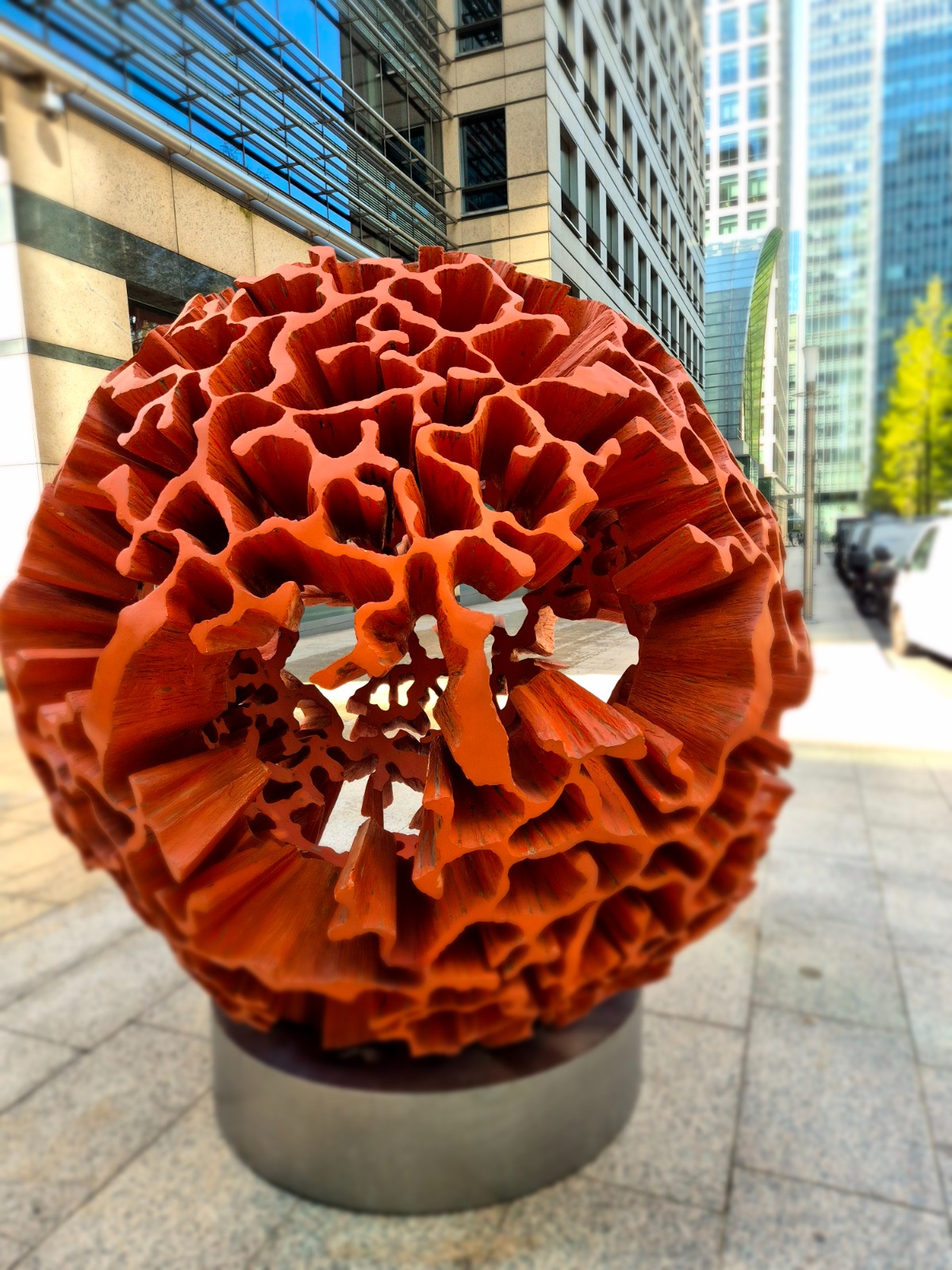
Coral, Coral
Coral, Coral
This sculpture is Coquino Coral (2015) by Yvonne Domenge, part of the Canary Wharf Public Art Collection, installed on Bank Street. The work takes inspiration from natural coral formations, with deep cavities and layered surfaces that invite close observation. In this photograph, the intense red-orange colour and organic structure strongly contrast with the surrounding glass and steel architecture. Domenge often uses rounded, biomorphic forms to soften corporate environments and encourage moments of pause within busy urban spaces. The sculpture’s scale and texture encourage viewers to move around it, changing how the form is experienced from different angles. This highlights how public art can introduce ideas of nature, rhythm and tactile surface into highly constructed city settings.
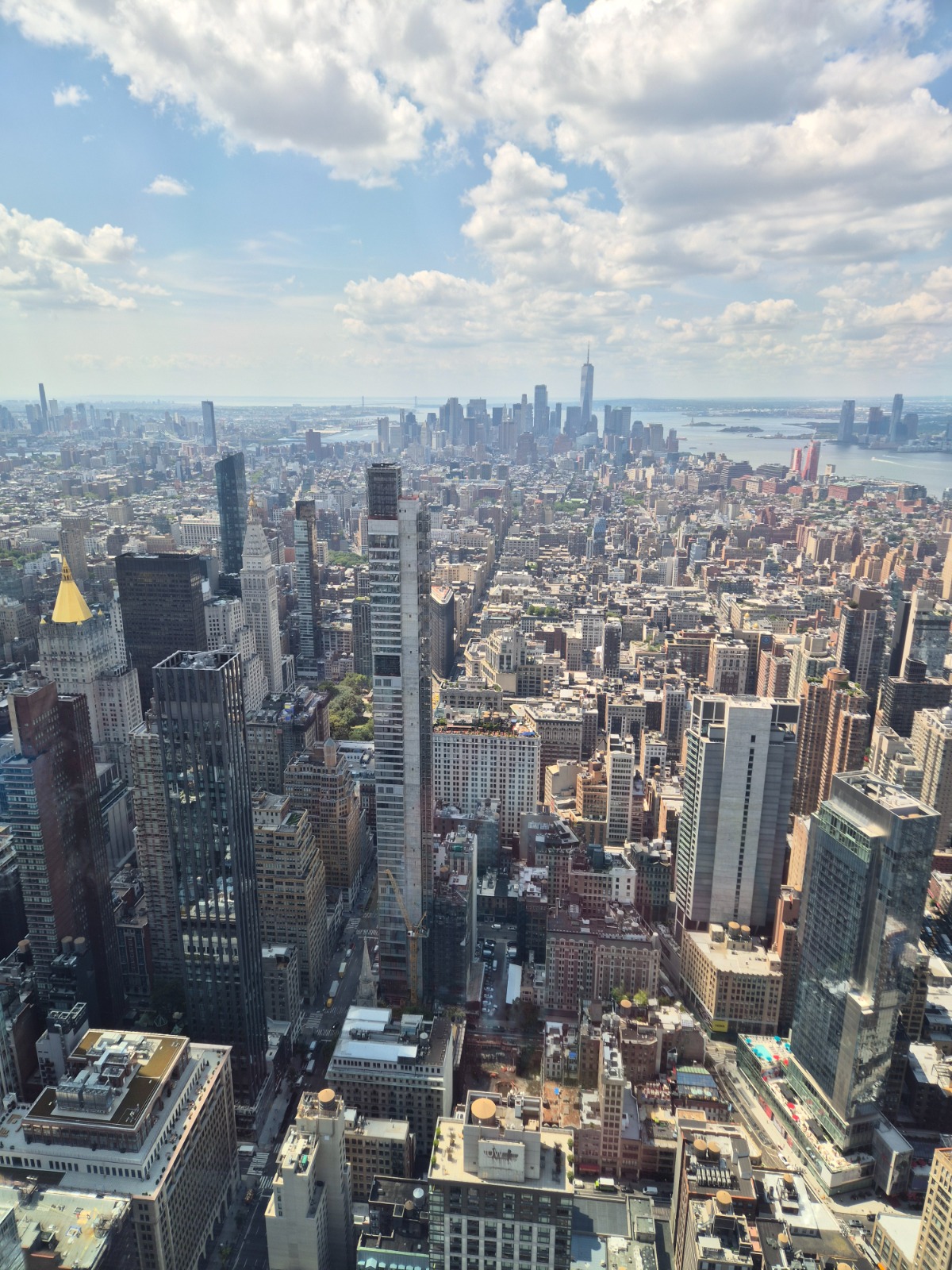
Above it All
Above it All
This photograph shows the view from the Empire State Building, taken on my first time going up after visiting New York more than fifteen times. Despite being scared of heights, experiencing the city from this perspective — alongside my family — completely changed how I saw it. While we were there, we also saw works by Stephen Wiltshire, whose detailed cityscapes are drawn entirely from memory after seeing a place once. Seeing his work in that moment helped me think differently about how New York exists in my own memory. From this height, the dense grid of buildings becomes a pattern of lines, shapes and textures rather than individual streets, revealing the beauty, order and complexity of the city — almost like flying. The experience made me reflect on how perspective can shift not only how a place is seen, but how it is remembered and emotionally understood.
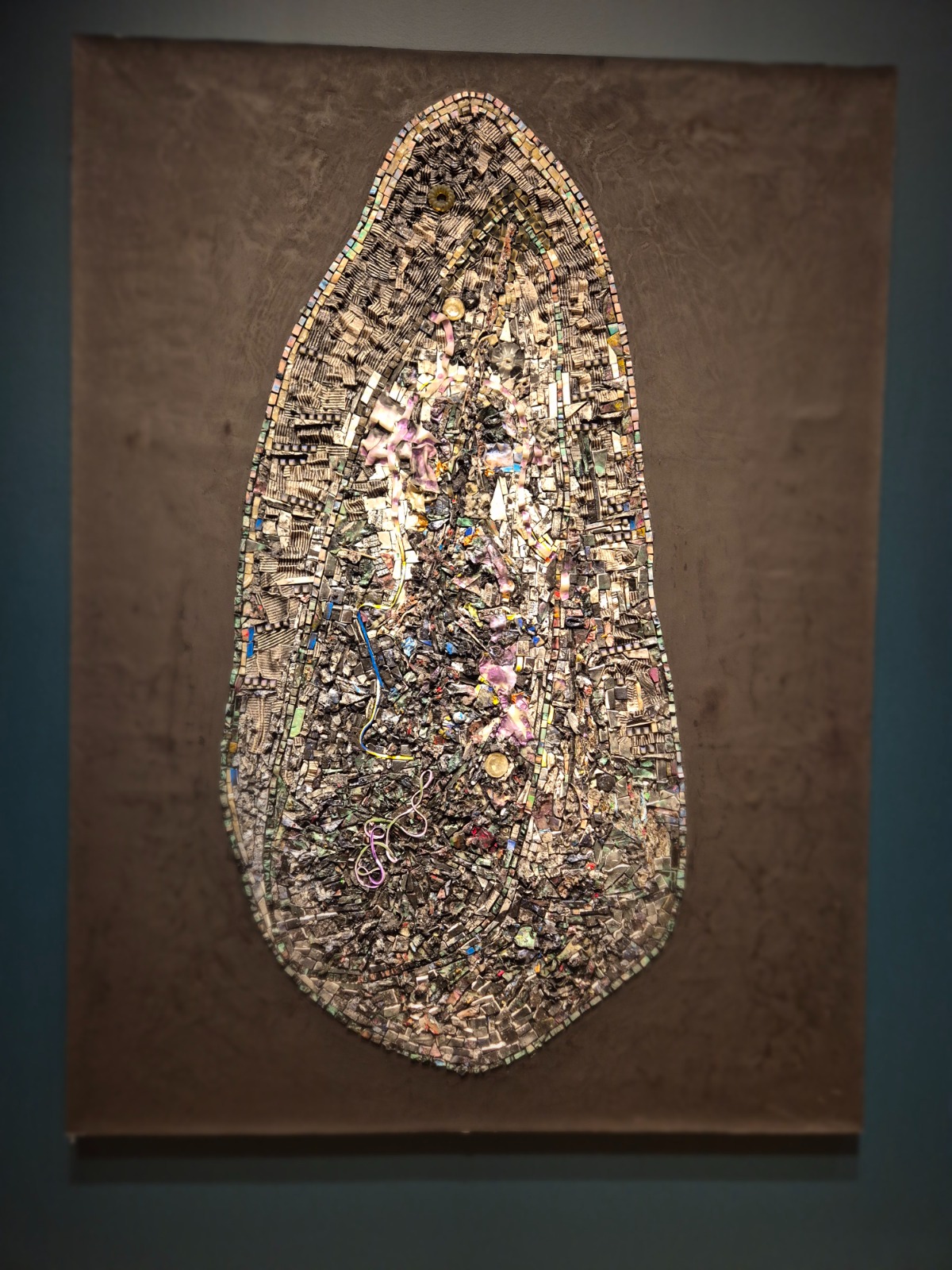
Materials and Texture
Materials and Texture
This photograph captures the surface of a mosaic-style painting by Jack Whitten, seen at the Museum of Modern Art. The work is made from broken acrylic fragments, layered and fused together to create a richly textured surface. The cracks, edges and colour shifts give the impression of history and memory embedded within the material. Whitten’s use of recycled fragments transforms what might be considered waste into something powerful and expressive, inviting reflection on renewal, resilience and transformation.
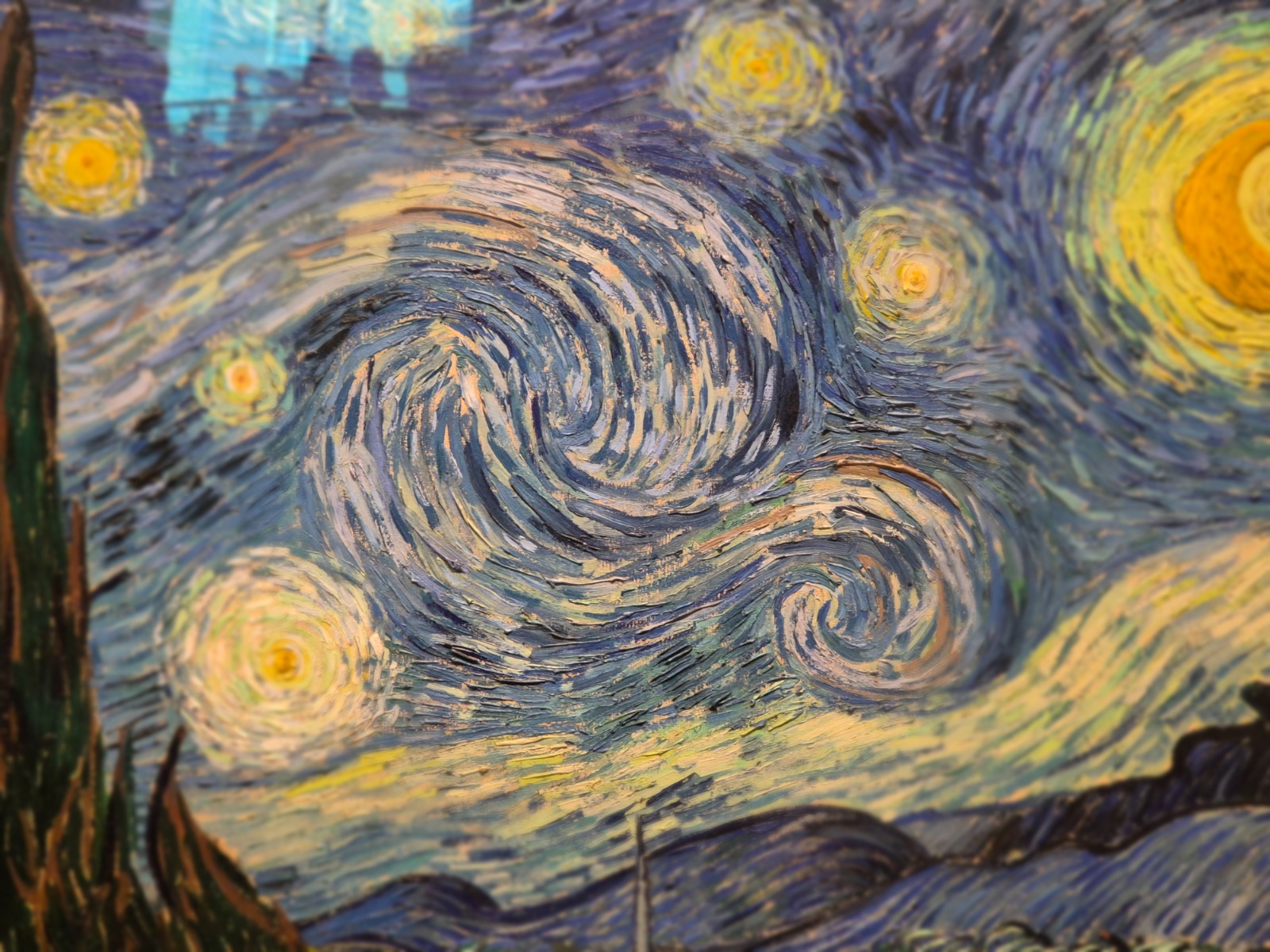
A Famous Artwork Revisited
A Famous Artwork Revisited
This photograph shows The Starry Night (1889) by Vincent van Gogh, viewed at the Museum of Modern Art. The swirling brushstrokes and intense blues and yellows create a strong sense of movement in the sky, expressing emotion rather than realism. Seeing the original painting in person is powerful, especially because of its iconic status in art history. For me, it also brought back childhood memories of learning about famous artworks and first understanding how artists use colour, line and texture to communicate feeling and imagination.
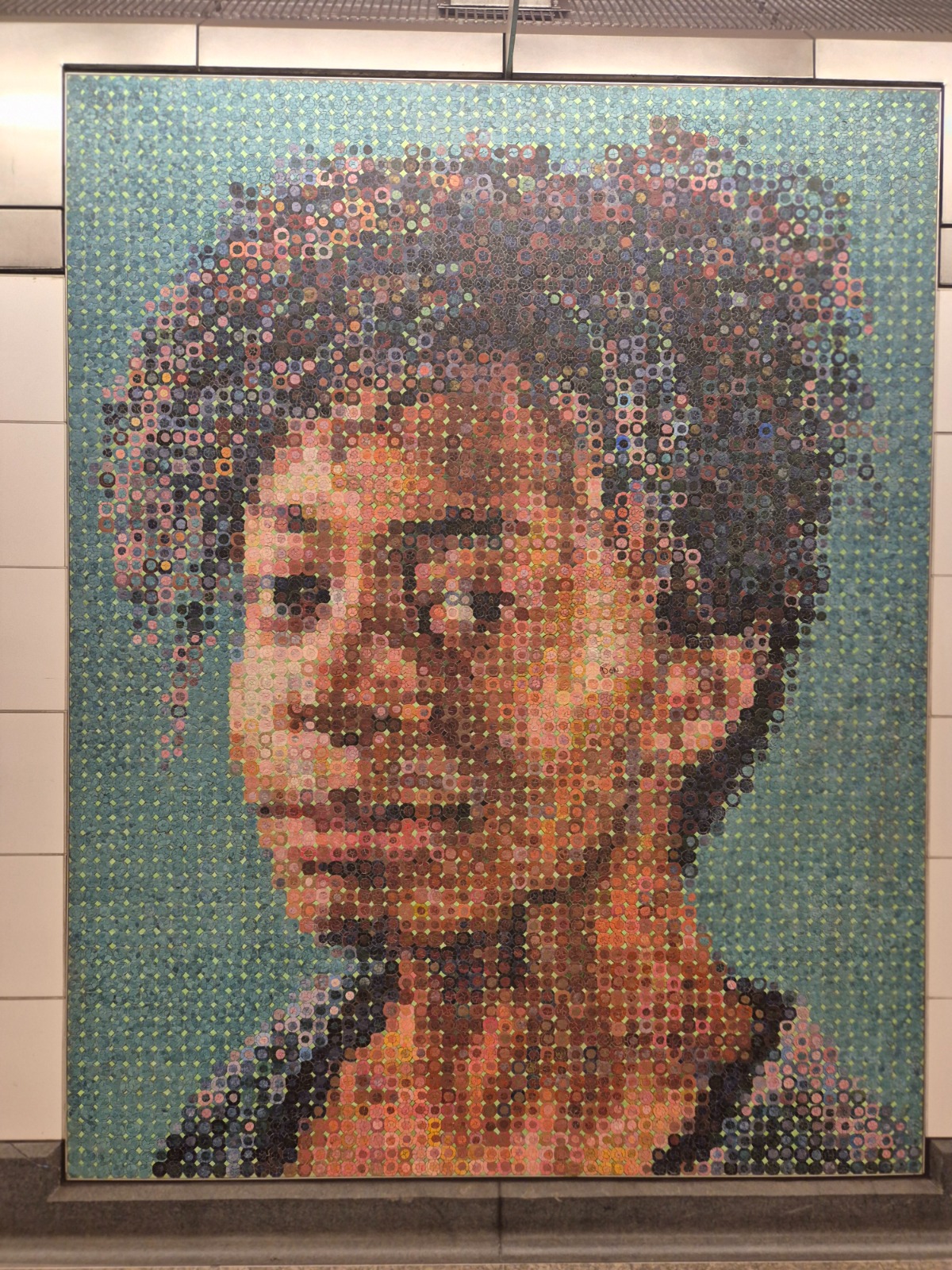
Subway Art
Subway Art
This image captures Kara (2017) by Chuck Close, a portrait made from tumbled glass tiles and installed in a New York subway station. My mum and I stumbled across the work while navigating our way back to the hotel after visiting the Guggenheim, and encountering such powerful artwork during a commute felt unexpected and special. Up close, the surface is abstract and textured, but as you step back a face slowly forms. What makes this piece even more meaningful is that the portrait looks like my cousin and is named after another cousin, making the experience deeply personal. It highlights how art can connect public space, memory and identity in quiet but powerful ways.
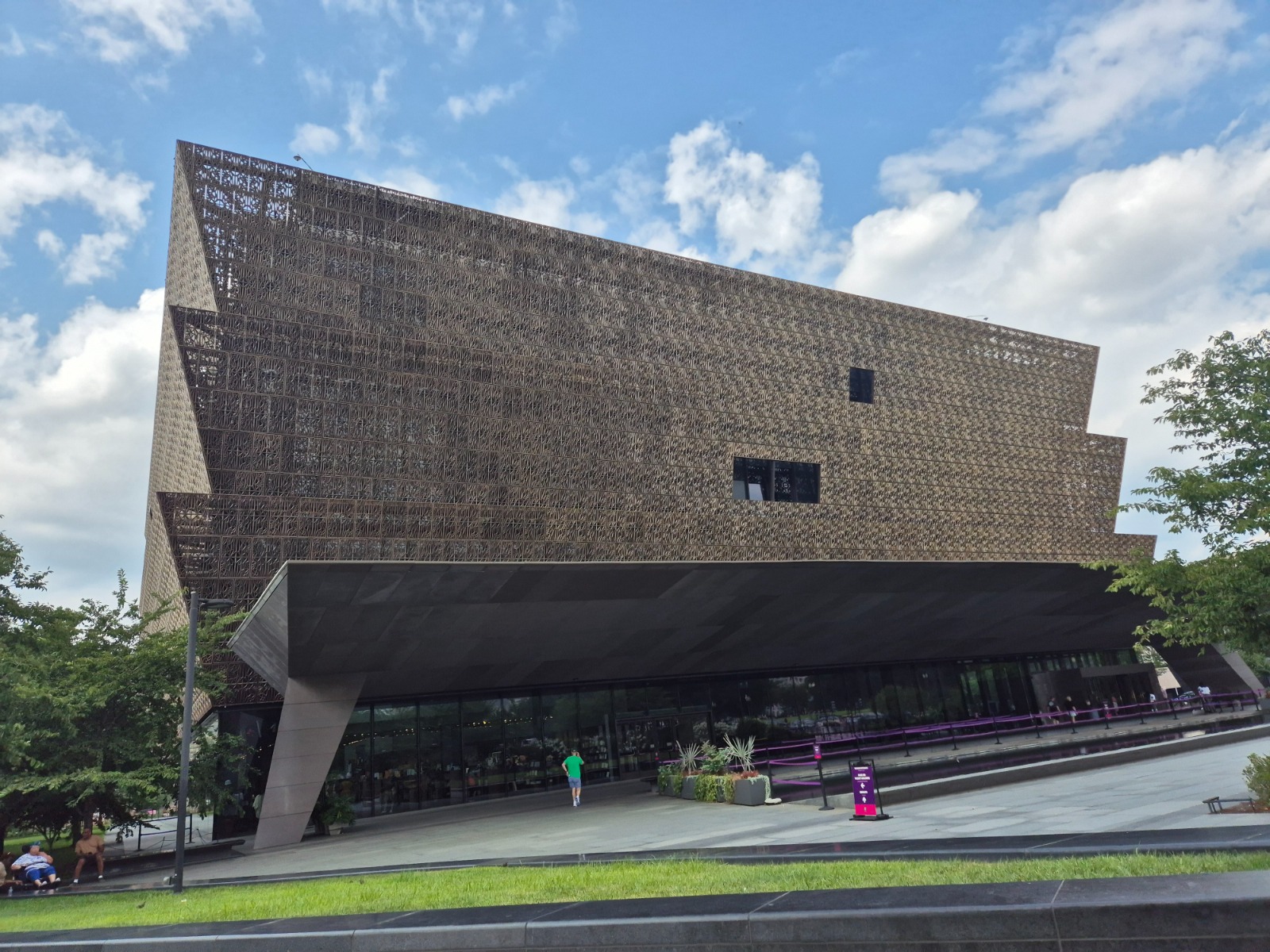
David Adjaye: A Sense of Belonging
David Adjaye: A Sense of Belonging
This photograph captures the exterior of the National Museum of African American History and Culture, designed by David Adjaye. The building’s repeating patterned surface and strong geometric form give it a sculptural presence, rising powerfully against the open sky. The layered design references African and African American history, craft and culture, turning architecture into a visual language of memory and resistance. As a Black person from Britain, encountering this building was especially meaningful. Much of this history was not taught in school, and seeing it represented so boldly and unapologetically made me reflect on how architecture and design can shape identity and understanding. The building stands as both a monument and a learning space, showing how scale, pattern and symbolism can be used to reclaim narratives and create a sense of belonging through the built environment.
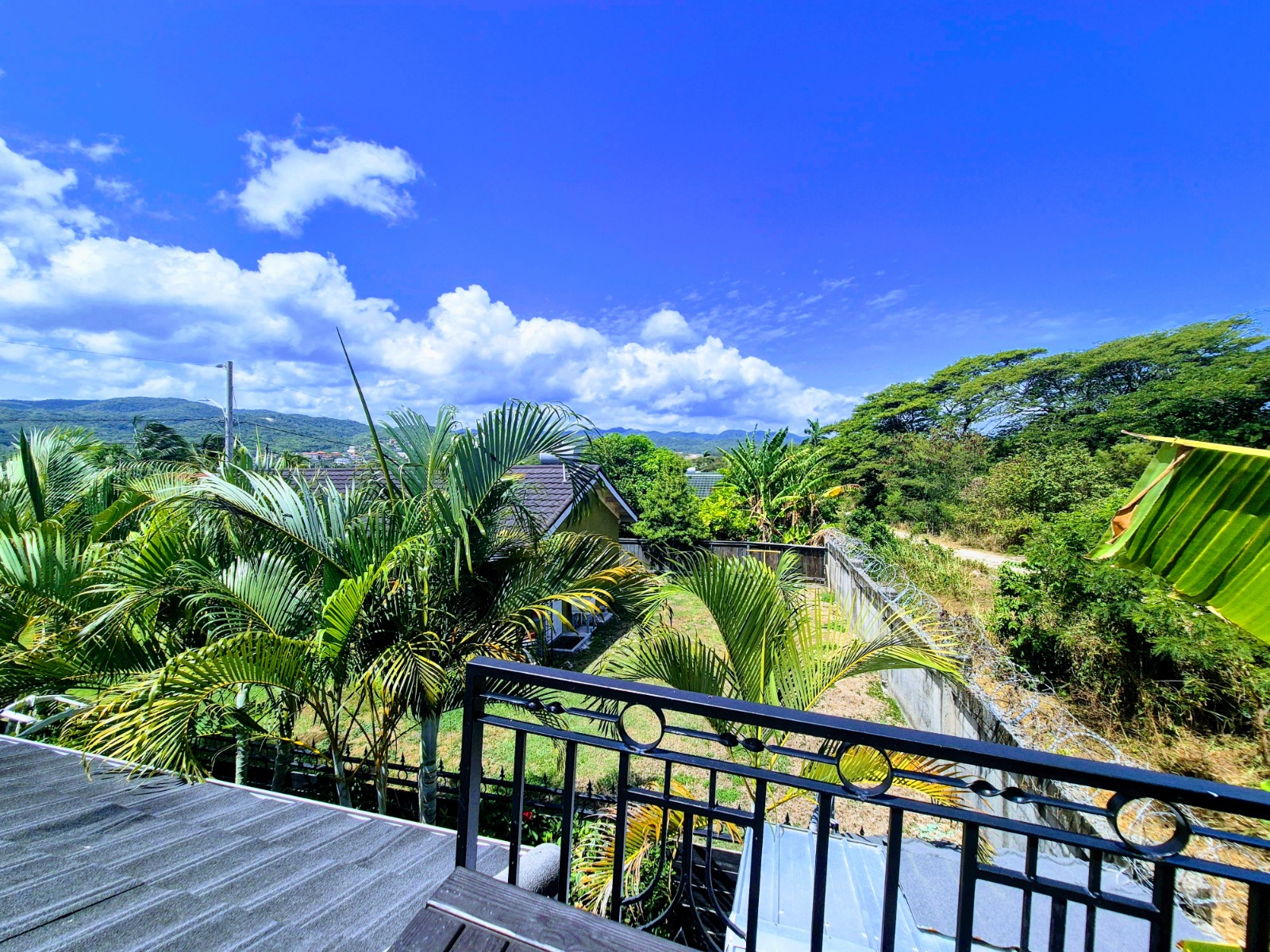
Jamaica: Identity
Jamaica: Identity
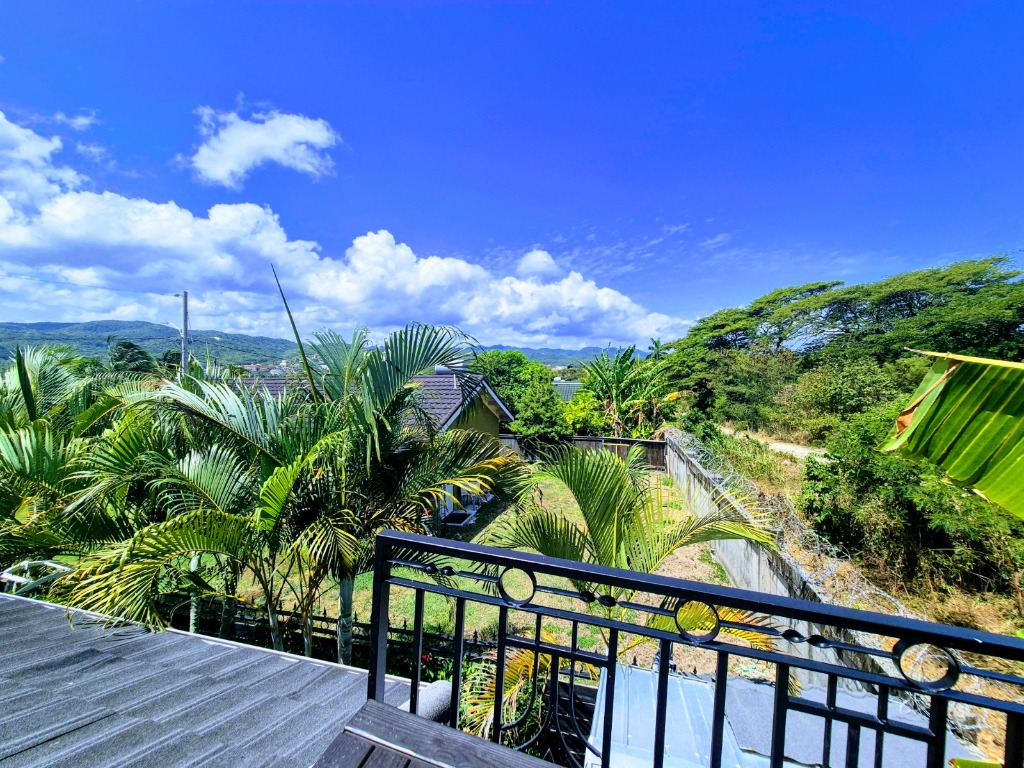
This photograph shows a wide view across the Jamaican landscape, with palm trees stretching toward distant hills beneath a bright blue sky. The strong sunlight and open space create a sense of calm and freedom, drawing attention to depth and perspective as the eye moves from foreground to background. Being in Jamaica was deeply meaningful for me, as it became a place of learning and reconnection. It allowed me to reflect on my heritage, my father’s childhood, and the wider political history that has shaped the island. Discovering that I have a Cuban great-grandfather added another layer to this journey, helping me understand how migration, movement and history are part of my own story. While enjoying the beauty of the island, I was also learning things about myself that I hadn’t fully known before. The experience became one of rediscovery, where landscape, memory and history came together to shape a deeper understanding of my identity.
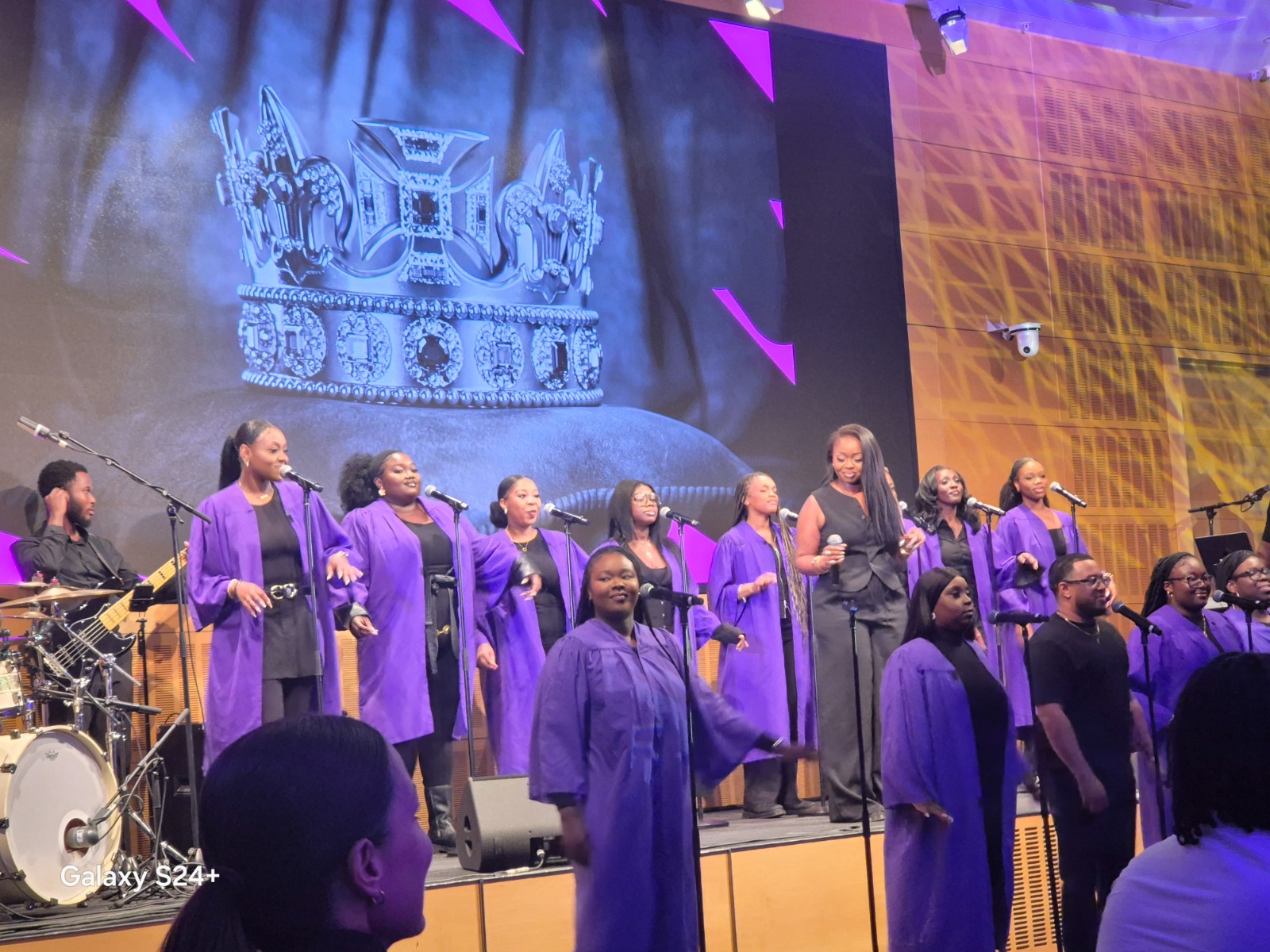
Black History Month
Black History Month
This image shows a gospel choir performing as part of a Black History Month celebration at Allen & Overy Sherman. The coordinated purple robes symbolise unity and strength, while the individuality of each singer brings personality and emotion to the performance. I attended the event to celebrate a student who had won the Black History Month art competition, making the moment even more powerful. The choir’s energy filled the space, showing how collective performance can honour Black culture, creativity and shared experience beyond traditional gallery or classroom settings.
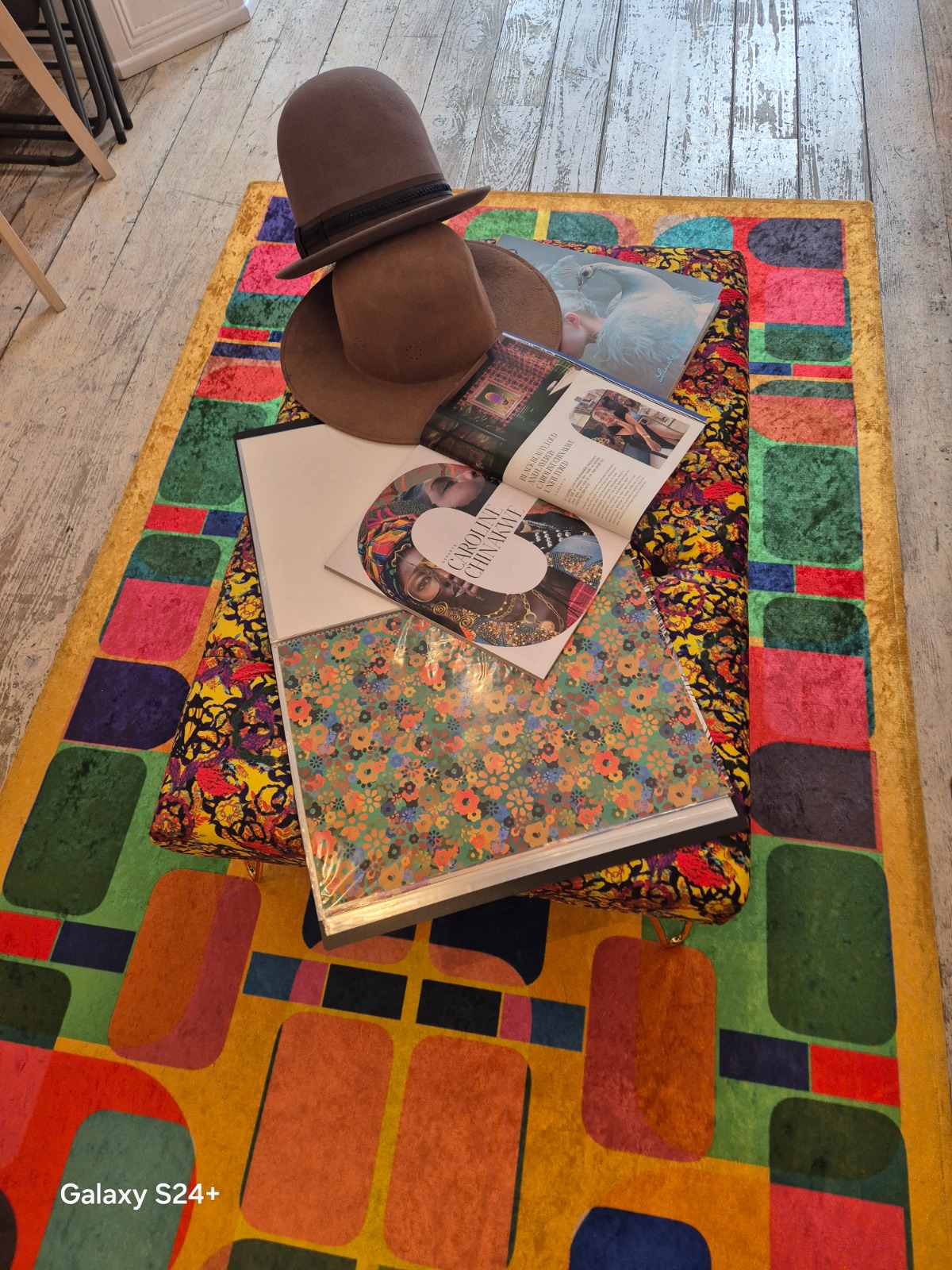
Caroline Chinakwe Pop Up
Caroline Chinakwe Pop Up
This photograph captures a thoughtful arrangement of objects — books, hats and patterned fabrics at Caroline Chinakwe’s pop up. Attending the pop-up and the Black Heritage in design: Past, Present and Future event shifted my thoughts on what I have to offer. The experience pushed me to think about my own creative role, not just as a maker, but as someone who can curate stories, connect people and create space for overlooked narratives through design and visual culture. The is where I bridged my life and the past years experiences into thinking about my heritage and intention and what I need to do to help others do the same.
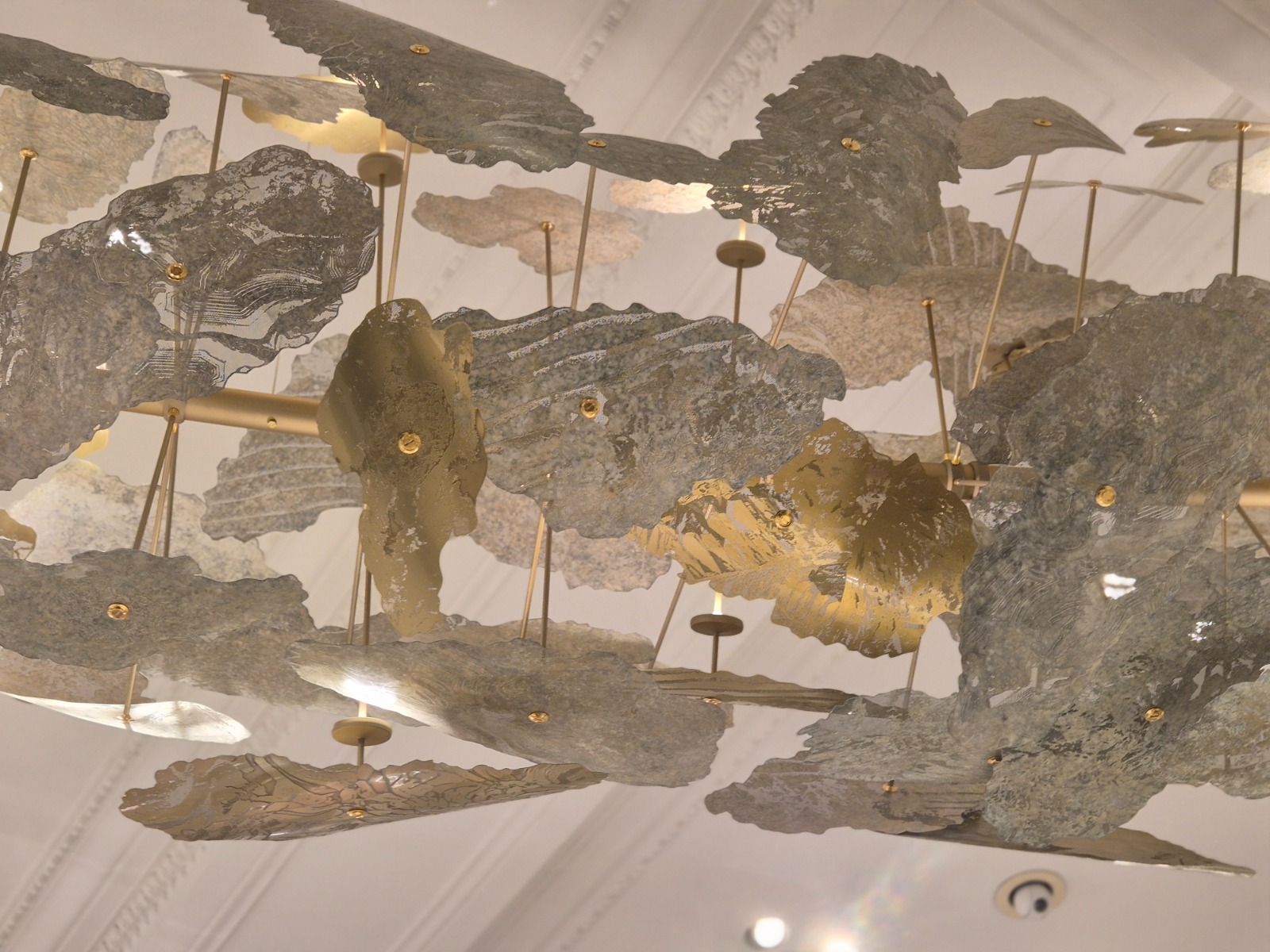
Jason Bruges: Light, Reflection and Surface
Jason Bruges: Light, Reflection and Surface
This image captures a ceiling installation at Selfridges by Jason Bruges Studio. Hundreds of reflective shapes are suspended above, catching and redirecting light across the surface. The repetition of forms creates rhythm, while the changing reflections make the space feel alive and responsive. The work shows how light and material can transform an everyday interior into an immersive visual experience.
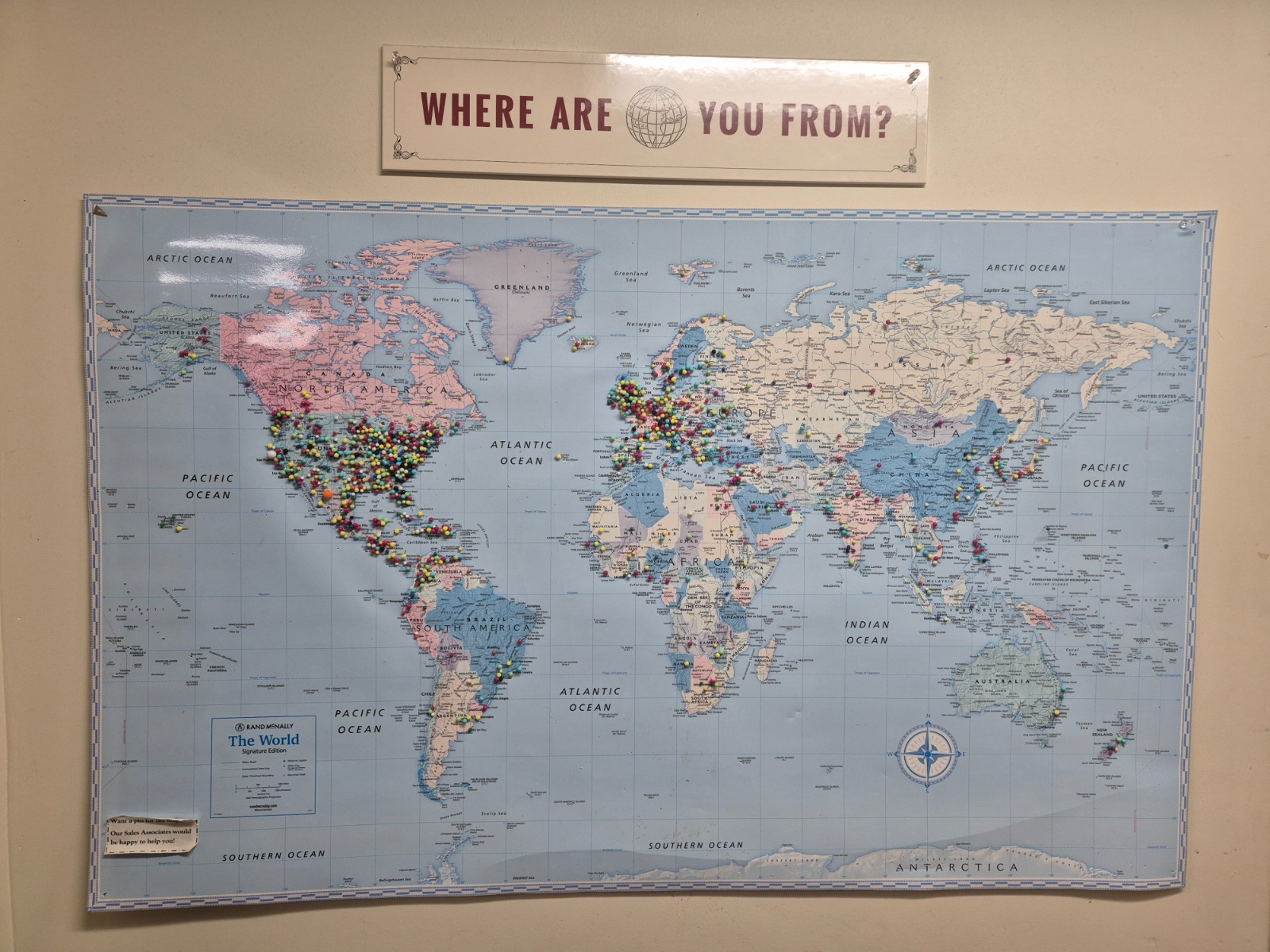
North Carolina: Mapping Identity and Movement
North Carolina: Mapping Identity and Movement
This image captures a world map covered with coloured pins in a general store in Winston-Salem. Each pin represents where people had travelled from, quietly recording journeys, movement and personal histories. Encountering this map made me pause and appreciate the privilege of being able to travel and move through different places. It reminded me how navigating the world creatively — noticing details, stories and visual cues — allows travel to become a form of artistic exploration as well as personal growth.
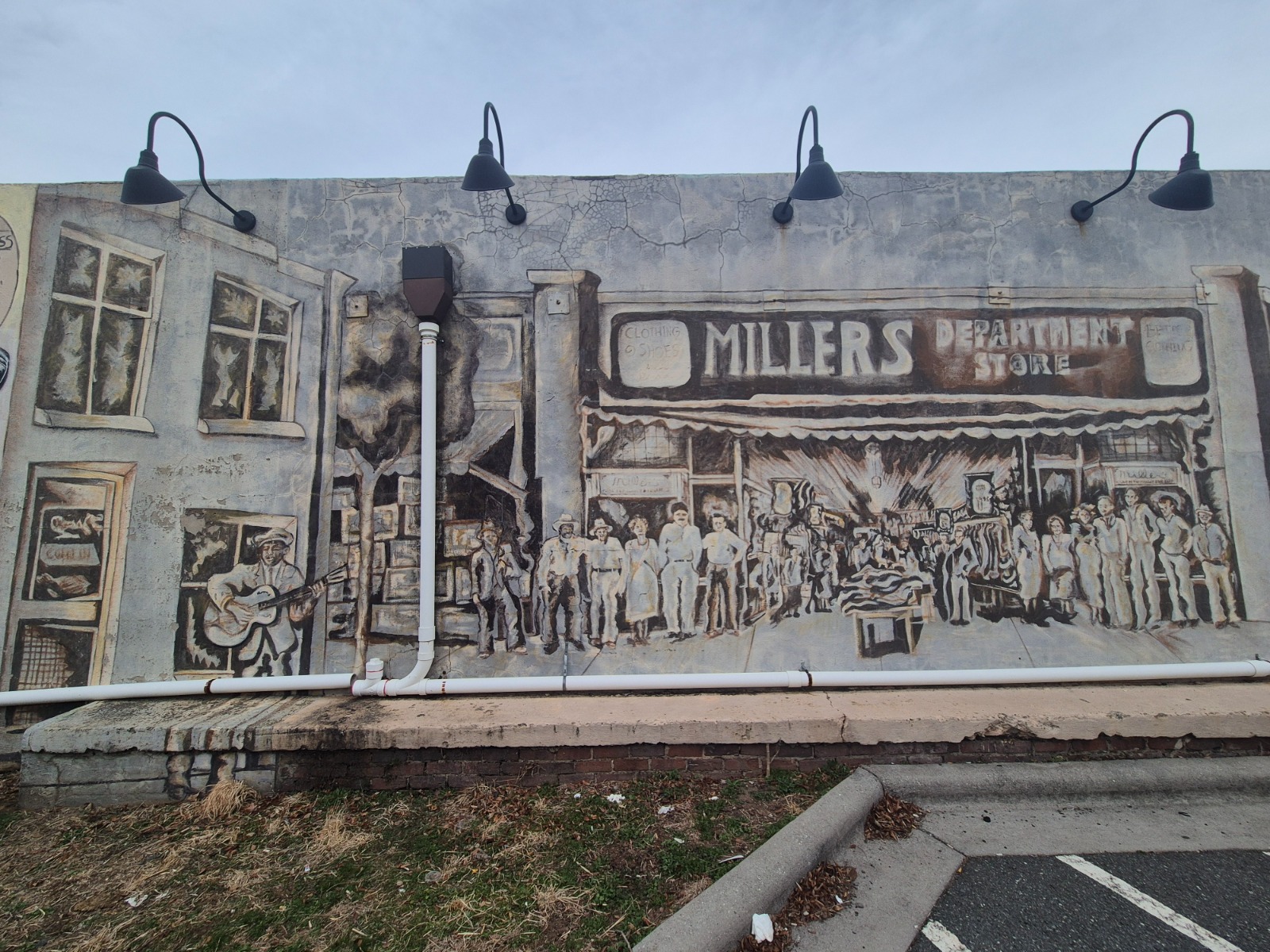
Winston Salem: Community History in Public Art
Winston Salem: Community History in Public Art
This photograph shows a painted mural on the side of a building in Winston-Salem, depicting a historic street scene that includes Miller's Department Store. Although the mural is located in Winston-Salem, Miller’s was not a local business but a prominent East Tennessee–based department store founded in 1889. Its inclusion highlights how public art can blur geography and time, bringing together wider regional histories rather than telling a single local story. The muted colours and detailed figures suggest nostalgia and memory, while the mural encourages viewers to reflect on how commercial, social and cultural histories are remembered, relocated and preserved through public storytelling.
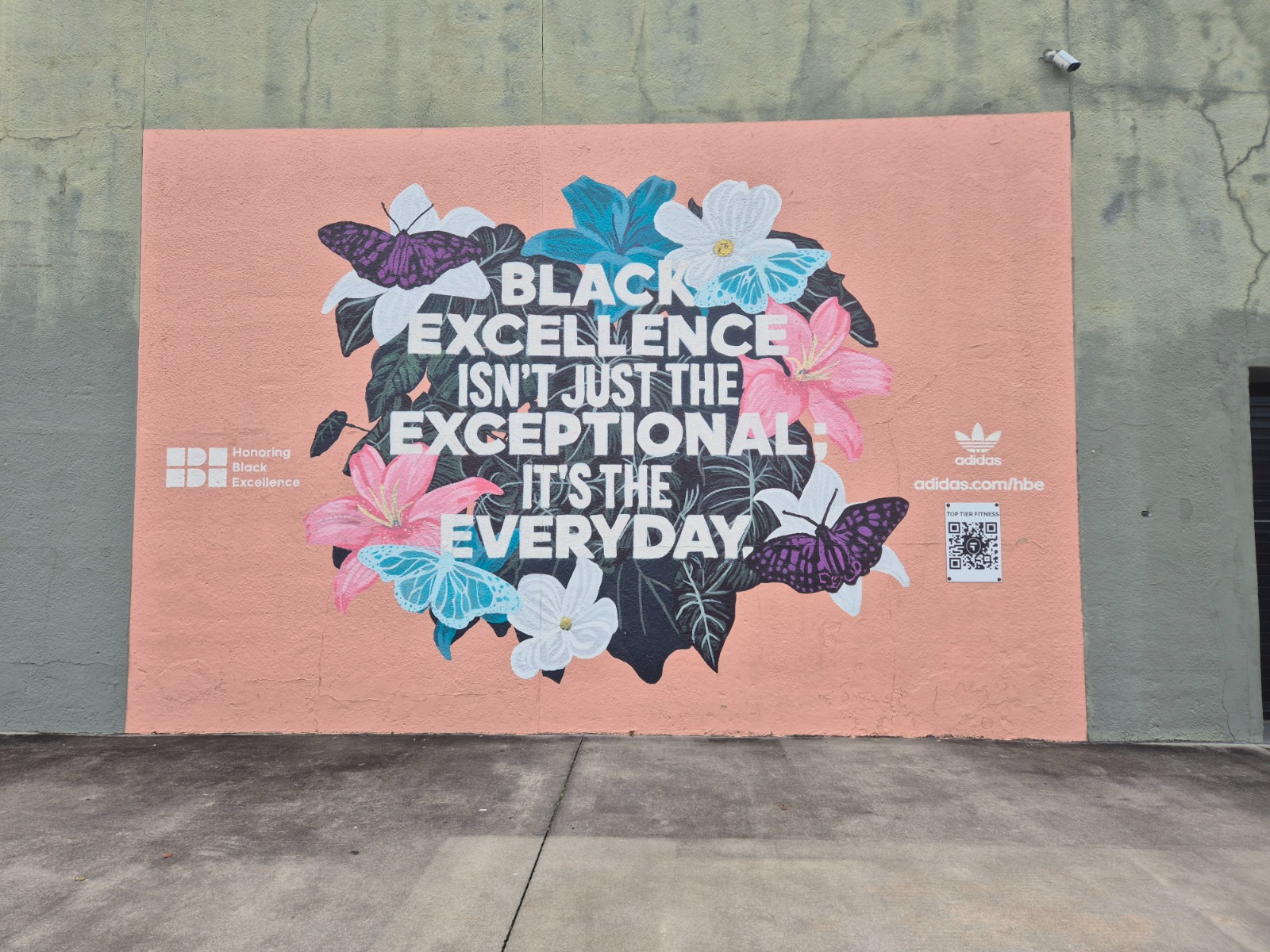
Winston Salem: – Celebrating Black Excellence
Winston Salem: – Celebrating Black Excellence
This image shows a vibrant mural in Winston-Salem, combining bold text with floral imagery to celebrate Black excellence. The use of colour and scale makes the message impossible to ignore, turning an everyday wall into a statement of pride and affirmation. Seeing this work in a public setting highlights the importance of representation and how art in shared spaces can uplift communities and reinforce positive identity.
Future blogs will explore individual images, artist connections and creative responses, helping to build confidence in visual thinking for learners of all ages.